Wine Chronicles: Wine Knowledge Has No Finish Line
By Dan Berger

Summary: Dan Berger examines wine evaluation as a discipline shaped by memory, sensory training, objectivity and science. He argues that knowledge deepens appreciation, whether the subject is theater, classical music or cabernet sauvignon. The column moves from pyrazines and pH to flawed bottles and aging wines, making a case for repeated, attentive tasting as the only real path toward understanding.
Readers might also enjoy Berger’s recent wine writing in Sonoma County Features and Lake County Features, including his recent, “Wine Chronicles: Lake County Makes Exceptional Wine. The World Hasn’t Noticed.”
NAPA VALLEY, Calif. — Roughly 20 minutes after the powerful opening of the classic musical “Les Misérables,” a couple seated in our row got up and left, their seats remaining empty until the final curtain. I’ll never know if either had become ill or received a family emergency text.
But from the look on the woman’s face, she appeared to be really upset, as if she were disappointed and had had no idea that this somber and historic drama was not a silly romcom with Jerry Lewis in the lead role.
With all the acclaim this Broadway production of “Les Mis” had received, I’d have thought all attendees would know what to expect from such a celebrated and politically charged spectacle and that they’d have some foreknowledge of the story and its partisan overtones. It might be a “musical,” but it’s not a laugh-a-minute farce. Those who appreciated it most knew something about 19th century France.
This got me to thinking about how some people know enough to deeply appreciate fine wine. The more we know about a subject, I believe, the more we grasp it. This applies to almost any field of study, including Broadway productions.
Of all the list of attributes that a fine wine displays, one of the more important is authenticity, about which most newcomers to wine are relatively oblivious. Wine newcomers think in terms of simple hedonism. “Do I like this wine?” Critical analysis has yet to invade their thinking because of a lack of knowledge.
The early departing couple may have had no data about the play’s story and were lost.
Most people who start consuming wine do not and cannot understand it’s intricacies. The next level of wine awareness is where most people can begin to differentiate what constitutes better wines from ordinary ones.
This reminded me of a conversation I had with a good friend 20+ years ago after he had participated as an associate judge in one of my wine competitions. He had performed well as a judge despite his admission of what he said were “my feelings of inadequacy when I’m around so many people whose noses and palates seem to be able to detect and above all describe nuances that escape me.”
I believe that a wine judge can be good only if he or she is steeped in the subject for several years and is someone who can evaluate wine by ignoring, to a degree, personal preferences. Just because a judge loves a particular wine is no reason to evaluate it as a wine that everyone will love. There should be some effort at objectivity.
(Most people think wine evaluation is all about personal preference. But not a wine competition goes by where I’m a judge that I don’t find at least one wine worth getting a gold medal, even though I personally would not drink it. I think all good judges should act this way.)
My friend who judged wine for me decades ago is an inveterate classical music lover. In his email to me, he said he thought of an analogy:
“It is as if I go to a concert hall and the people around me are talking about how the violin section should have had two more members or the conductor should have rehearsed the horn section one extra day or the sound of the clarinets was a little bit too bright for the intention of the composer because it was well-known that when Haydn wrote the piece it was played on instruments that were constructed differently from the way they are today.”
He added that such people are so deeply involved in music (some people refer to them as geeks) that “all of them could write a 500-word review.” Even though my friend knows a bit about music, his review would end at 25 words, he said. He obviously is conversant with quality classical music, but it took him several years and a lot of reading about styles and musical eras before he could speak cogently about the subject.
He then asked rhetorically, “Does everyone go through this in learning about wine? I (know) I have gotten better over time. I mean, for example, I used to be able to recognize the effect of oak clearly only in the whites. One day I ‘got’ what the component was in the reds that was wood. I suppose those kinds of revelations happen regularly, through time and experience.”
Learning how to evaluate wine is a lengthy process. It’s not as simple as trying a wine and then assigning a number that reflects the reviewer’s opinion about it.
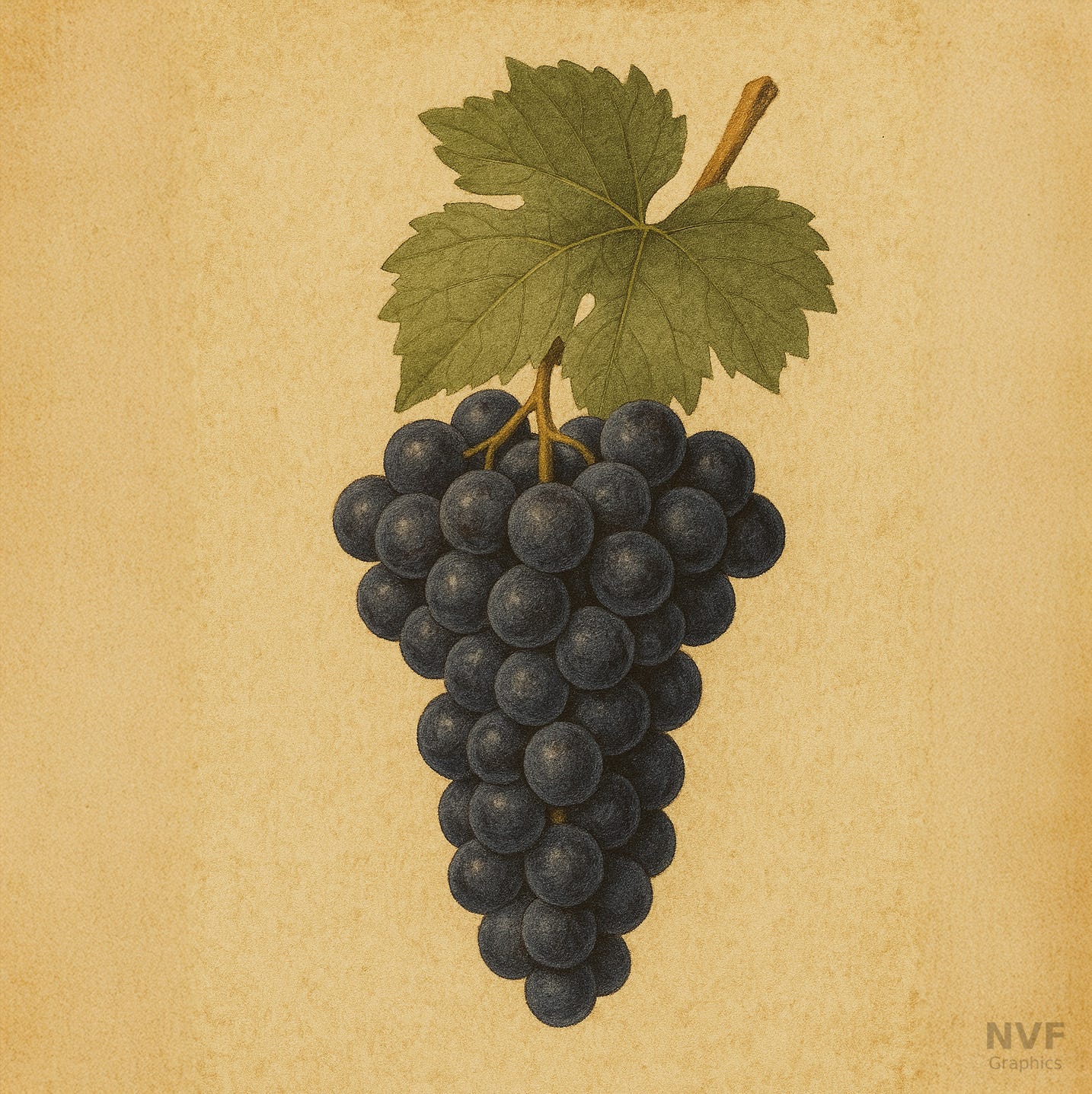
The other aspect of evaluation is objectivity. Attempting to maintain objectivity is not as easy as it might seem. One problem is that not every element in an exemplary wine will smell identical to each individual. Once an individual begins to understand red wine evaluation, for instance, a next step would be defining the differences between varieties — and why two radically different wines of the same type can both be exceptional.
The grape variety that most concerns Napa Valley winemakers is cabernet sauvignon and how it is evaluated. Again, the word objectivity enters the process. It’s one thing for a wine reviewer to say that he or she loves a particular cabernet and to then delineate some of the elements that were perceived in smelling and tasting a particular wine.
There are many other aspects to accurate wine evaluation. With cabernet, some of the most important parameters are almost never discussed by reviewers even though they may understand that additional parameters do have an impact on what the final rating for a particular cabernet will be.
One example would be cabernet sauvignons that have 16% alcohol. I almost never taste one of these wines and like it enough to write about it. I think it is possible to make it 16% alcohol cabernet that actually has high-quality elements, but most wineries still believe that the consumer wants these kinds of things.
Today’s word puzzle:
Challenge your vocabulary with this week’s mystery word. Submit your answer in the poll, and check the bottom of the page for the correct answer.
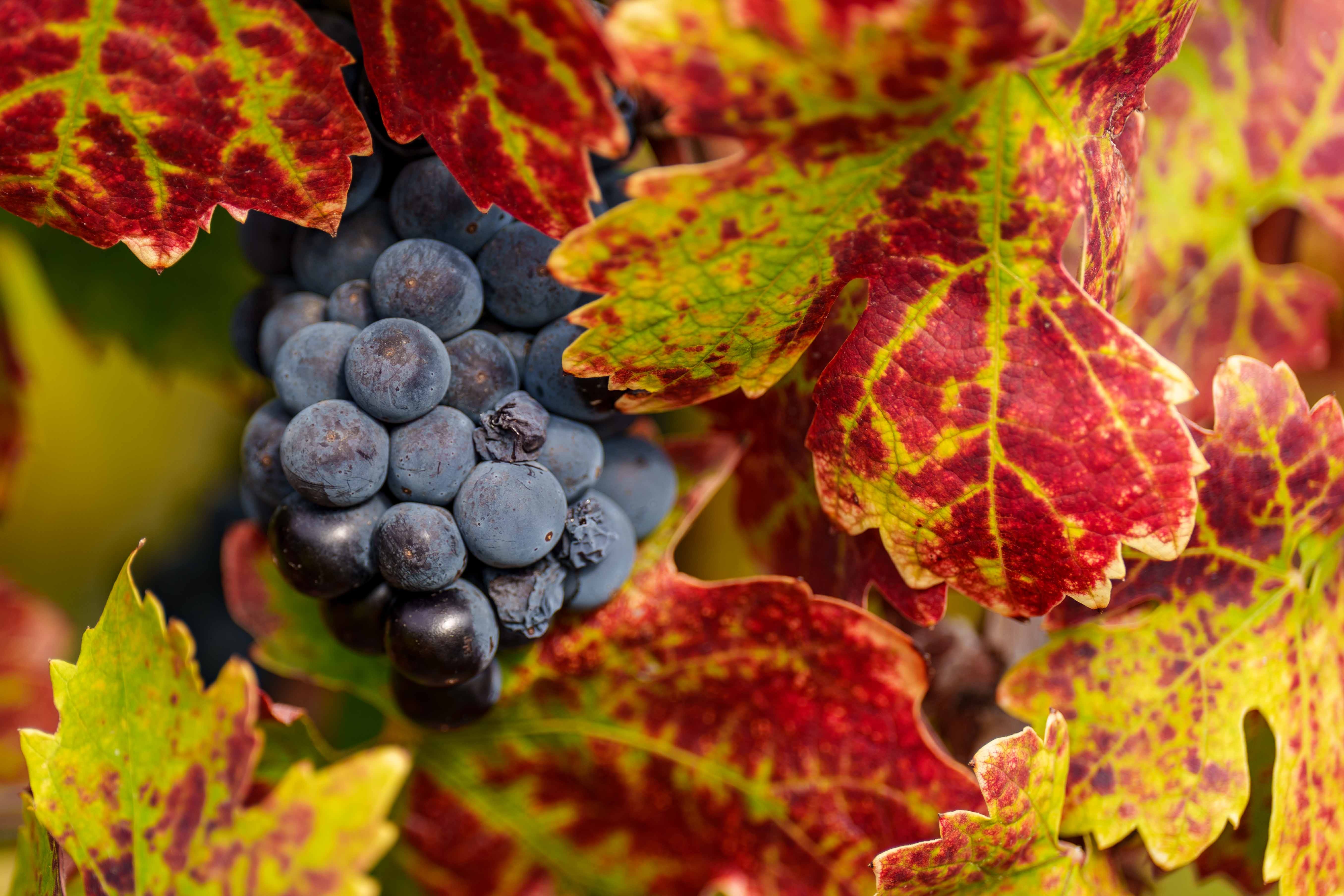
I believe that quality wine reviews should make a reference to acidity, oak aging, oxygen, tannins and how the wine reacted to aeration, which is related to how long the wine might age in a wine cellar. Anyone who spends hundreds of dollars per bottle with absolutely no concern for such issues is risking the loss of a lot of money.
Some of the elements that make up the composition of a cabernet are endemic to the grape variety (or the clone) and can also be reflective of other conditions, such as variations in a vineyard based on the way it was farmed in a particular year and also the impact of the weather on a vintage.
Almost no wine reviewer ever takes into account such esoteric influences. One reason that I don’t mention some of these issues is simply that my readers do not need a chemistry lesson. (Nor, incidentally, am I qualified to offer such a thing.)
But the chemical constituents of a cabernet will change from year to year, and excellent winemakers, dozens of whom exist in the Napa Valley, are keen to provide consistency among cabernets of various vintages. Such consistency isn’t always easy. And it sometimes takes a little time before reviewers can find out what’s really going on.
(Vintages can have an impact. I began tasting 2006 pinot noirs from Russian River Valley in early 2008 and found that most were backward — hard to evaluate. Most winemakers did not tell me that the wines would be so unyielding. A year later, the 2007 Russian River Valley pinots were clearly more interesting than the 2006s had been. It took me until late 2009 before I realized that the 2006s were developing gorgeously, and that the 2007s were weaker. Today, many 2006s are still in good shape, but most 2007s have faded.)
The human genetic makeup differs from one person to another. How one person perceives a particular element might be radically different from how others see the same element because of how different we all are. An example: I know people who adore Asian and Mexican foods with cilantro. I also know people who can’t stomach the smell of cilantro, suggesting that it is soapy. Both people are right, for themselves.
One of the natural components in the genetic makeup of cabernet is the green bell pepper aroma called methoxypyrazine — pyrazine for short. Some people approach cabernet with such antipathy toward this component that any trace of it is enough to say the wine is terrible. They call it a flaw. But without any pyrazine at all, knowledgeable wine evaluators will mark the wine down as being deficient in a key ingredient.
And other reviewers who dislike pyrazine rate examples without any of this component as some of the best cabernets they’ve ever tasted. To me, such wines are astoundingly boring.
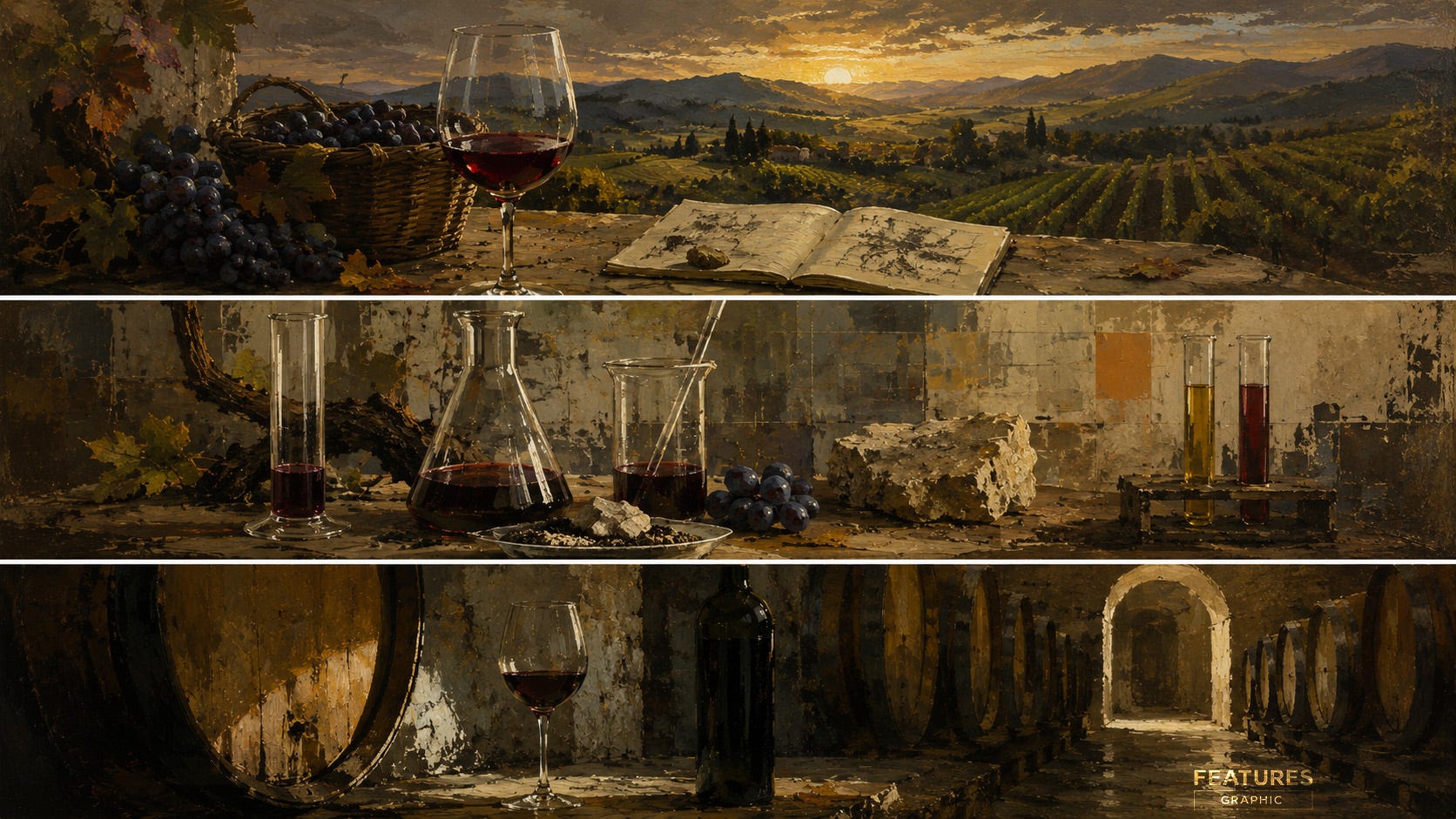
Humans are complex creatures. Our uniqueness is discussed in a superb book on the history and structure of the periodic table titled “The Disappearing Spoon” by author Sam Kean (2010).
In this book, Kean briefly explores how humans can be fooled by sensory issues regarding elements that end up in our food and wine. In chapter 11, Kean notes that among the various tastes, sweet and salty can be misconstrued, depending on what sort of additional elements are present in our bodies and also in our foods.
He also points out that under certain circumstances some medicines can have curious effects, like eliminating the carbonation taste of sparkling wines, and that certain elements can have a radical impact on what we smell and taste. Kean points out that potassium can change our perceptions.
In his book, Kean references what he says are the five elemental issues of taste—sweetness, sourness, saltiness, bitterness and savory (umami). But he says that sweet and salty are often perceived differently, depending on who we are and what sort of foods we are consuming.
Some readers of my previous columns have noted that I occasionally make reference to the pH of a red wine. Significantly higher pH levels often are associated with a “salty” impression, but people who are novice wine consumers do not pay attention to such esoteric things and may not know what this refers to.
Moreover, my interest in pH does not mean I’m ignorant of the other elements that can combine for a liquid like wine to create a different sense impression. But a wine with an inappropriate pH (i.e., if it is too high) can make for a poor wine, at least in how I view it.
One scientific organization that specializes in matters of aroma and taste is the Monell Science Center in Pennsylvania, which analyzes all things related to both issues that are linked to one another. Kean mentions Monell in his book.
A few weeks ago, a winemaker told me he was amused that I was as interested in a wine’s pH as I was. I told him that I would be just as interested in a wine’s potassium, which is related to sodium but that very few wineries do sodium analysis except those who may be exporting the wine due to export regulations in some countries. However, pH is almost always known to California winemakers.
Although the sodium content in a traditional wine is relatively negligible, most wineries will do a chemical analysis of their grape juice before fermentation, and most want to know the potassium, which can affect the pH of the resulting wine. (The potassium content also can help winemakers determine potential crystallization.)
I admit that it is a bit geeky of me to use pH in speaking of some wines, but it is so important that I will mention it occasionally. I just don’t know enough about potassium to mention it.
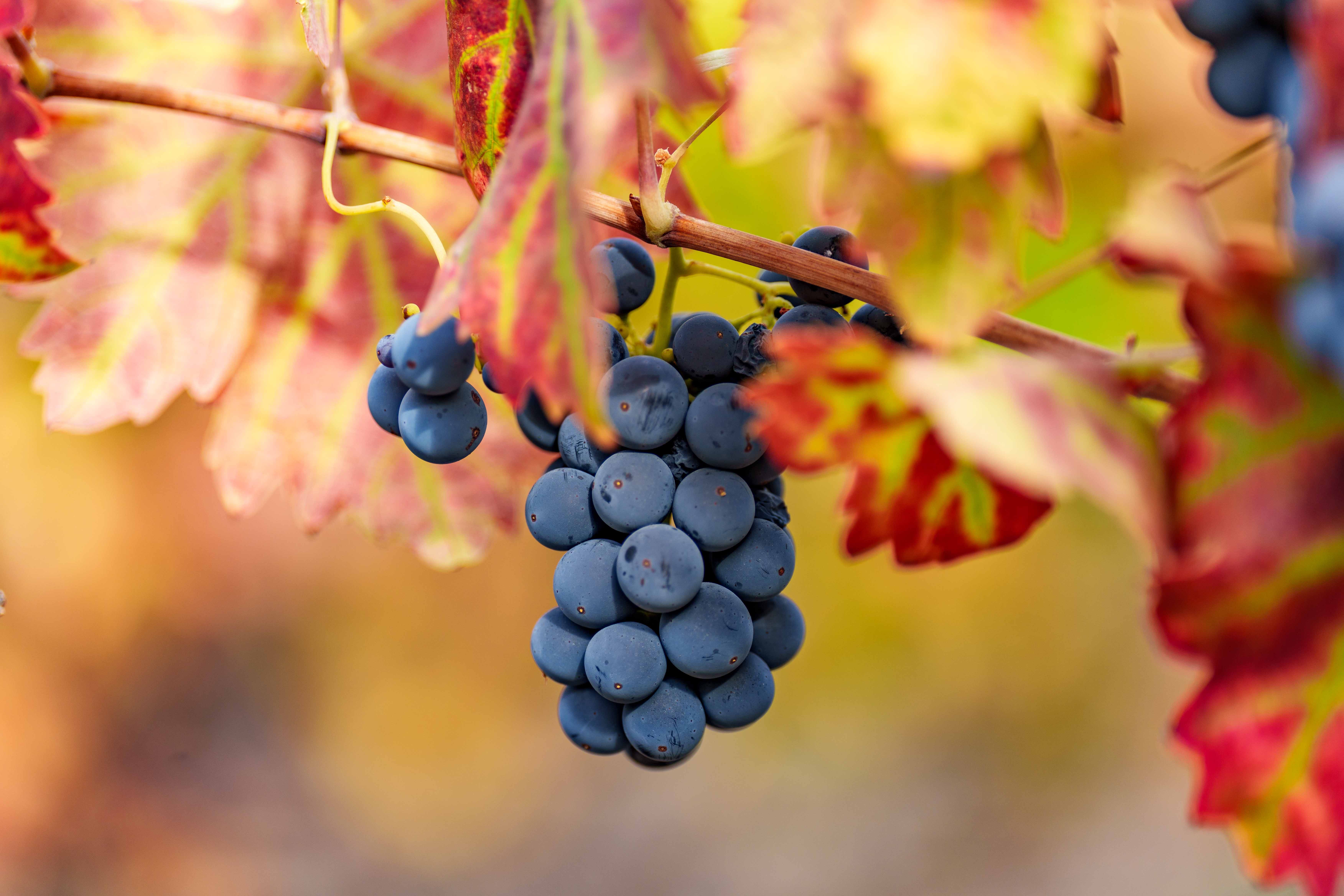
Referring to the original issue here, people who can understand the meaning of a wine’s potassium may be best at making sense of why a specific wine tastes the way it does. This relates in some ways to the classical music analogy my friend used about learning to properly evaluate wine: The more you know, the more you can appreciate most of a wine’s idiosyncrasies.
However, some wine evaluators do not care about the science. They are primarily hedonists. These are people whose gut reaction is paired with decades of in-depth tasting experiences. Some analyses might be devoid of scientific analysis that might alter the “I love it / I dislike it” conclusions.
Sure, such results may be consistent, but they also might be ignorant of secondary and tertiary issues that could apply to different styles of wine — styles that might diverge from the hedonist’s approach — and might be important in how such wines develop in the bottle.
Then there are the times that we simply cannot replicate our normal behaviors in terms of aroma and taste. British wine columnist Tim Atkin, one of the finest wine evaluators in the world, has a good memory (an admirable trait in wine-tasting circles), and he recently had an interesting experience with a famed Rhône Valley wine that he didn’t like.
“The (previous) time I tried the 2007 Château de Beaucastel it tasted like it was in a bad mood: grumpy, meaty, a little reduced,” Atkin wrote. “That was a decade ago. The fact that my friend Marcel Orford-Williams, the retired Rhône buyer from the Wine Society, was joining us gave me further incentive to try again. Marcel saw the unopened bottle and was very enthusiastic about the vintage. ‘One of the best,’ he told me.
“There was another reason for my choice. The tasting … was built around memories, a look back at my career. As a modern languages student, I spent one of the happiest years of my life in Avignon in 1983, not far from Châteauneuf-du-Pape … that bottle of Beaucastel was doing a lot of heavy lifting.
“If it felt the pressure of our expectations, it didn’t show. The Beaucastel was magnificent, my pick of the night against strong competition from other regions. Was it the wine? Or was it the moment? I think it was probably both and all the more memorable for that.”
Could it have been that the previous time Atkin had tried the wine he was in a foul mood and that the wine contributed to it? Or could the wine have been in a funk? Perhaps its horoscope was in conflict with someone’s tarot cards. It could have been any number of issues.
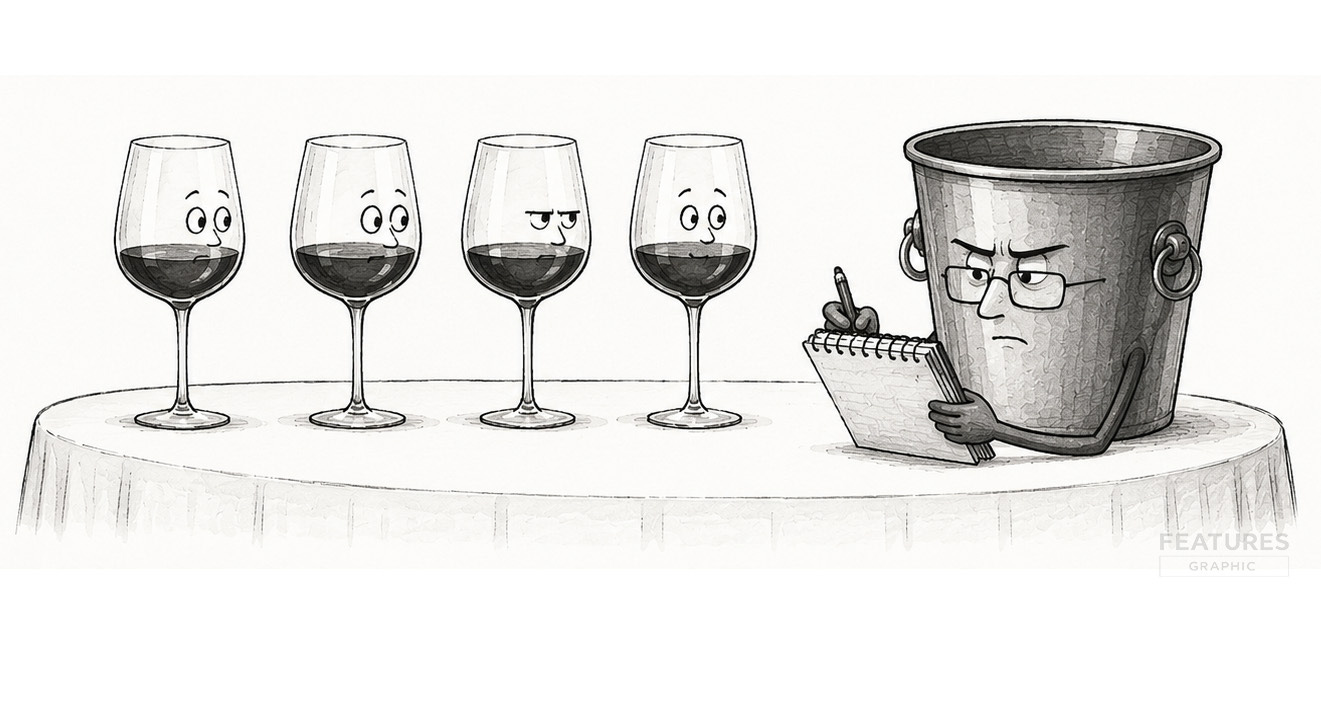
Recently I purchased a bottle of a white Burgundy from a high-quality French producer. It normally sells for $180; I paid $155. It was utterly undrinkable. Despite having been a wine judge for the last 45 years and consuming wine professionally for nearly 60, I could not say specifically what the problem was with this white wine. Nor could three other experts at the table.
But no one would drink it. Whatever spoilage it had, it was so bad that even someone who knew nothing about wine would agree that it was a dud.
In the final analysis, wine evaluation is not particularly scientific, but science can play a significant role in testing whether humans are better at this than machines are. I believe (and from all I have read I am right) that the human palate is still the most sensitive instrument for evaluating the specific elements that give a wine its ultimate personality.
And it explains how some people who are sufficiently well-educated in the specifics of certain wines can identify specific characteristics even on days where their noses or palates have been impacted by extraneous influences.
A final tale: The great Beaulieu Vineyard winemaker André Tchelistcheff was a lifelong smoker until he gave up the practice because he found it to be unhealthful. Many months later he resumed smoking because he said that his entire ability to detect the things he needed to detect in wine had been negatively affected by being tobacco-free. The only way he could taste properly again was as a smoker.
After more than 60 years of consuming wine with an ever-increasing sense of critical analysis, the only suggestion I can make for people who want to increase their knowledge of wine beyond reading books by authorities is to taste and continue to taste — every time paying strict attention to as many of the elements as the wine can deliver.
(I apologize for this in advance.) Like the tourist who asks a New York local how to get to Carnegie Hall. The local replies, “Practice, practice, practice.”
--
Dan Berger has been writing about wine since 1975.
Wine Discovery:
As good as the 2022 Corison Cabernet was in our recent recommendation, we just found an even better example of Cathy Corison’s excellence:
2023 Corison Cabernet Sauvignon, Rutherford ($195): This classic wine has a Rutherford-area aroma and perfect structure for aging for at least 20 years. From the Corison website: “In 2023, winter and spring rains broke a 3-year drought in the Napa Valley and were followed by one of the longest growing seasons in over a decade, with consistent, mild weather throughout the season. Ideal weather at flowering yielded bumper crops that enjoyed the luxury of extended hang time, producing one of the most celebrated vintages ever. The 2023 Rutherford Cabernet boasts classic ‘Rutherford dust’ and dark, savory complexity. Juicy plum, dark berry and cassis fruit combined with cacao notes are synergistically lifted by a lovely violet perfume.
“I have long loved Cabernets from Rutherford, just south of the winery. When we had the opportunity to source fruit from Bella Oaks Lane, at the heart of the appellation, we couldn’t pass it up. This is a one-time-only wine; the vineyard has since been pulled for replanting.” About 500 cases produced. It is a kind of preview wine for the classic, cool 2023 vintage. Other Corison 2023s will not be released until fall.”
Cathy is one of the few active winemakers who was educated in the 1970s (UC Davis) and learned that structure and balance combined with relatively early harvested grapes and extremely careful oak aging make for a wine that can be a classic. Very few cabernet winemakers have the sensibility to make a wine this structured. I served this wine blind to five members of our small “Sobriety Society” luncheon tasting group. Everyone immediately said the wine was remarkable and historic. With a solid acid level of 6.1 g/L, a low pH of 3.60 and only 13.6% alcohol, it is made the way wines from the 1970s and early 1980s were crafted. It was a joy to all of us who tasted it. Corison emphasized perfect balance so the tannin level was not aggressive.
The long history of Napa Valley includes roughly three decades when cabernet gained its greatest qualities with wines that ranged from 12.5% alcohol to just under 14%, with aromas that combined herbs and fruit. Some of the best-vintage wines displayed deep cassis and other fresh berry fruits with traces of earth and perhaps hints of tar, licorice and mint. In recent decades, almost every cab has grown bigger and richer, so much so that it is not often possible to perceive Napa’s greatest attribute, the combination of herbs and fruit plus distinctive regional elements. Here is a wine that easily could have been made in 1975 or 1991. For those who have never tasted a wine from the past while it was still relatively young, this is a rare opportunity. And the fact that it tasted even better a day after I opened the bottle indicates that it will age just as well as my remaining 40-year-old cabs! — Dan Berger Review
Today’s Polls:
Recent Wine Poll Results:
In Dan Berger’s article “Wine Chronicles: What Is Great Wine?,” Berger explored the meaning of greatness in wine beyond popularity, high scores and quick tasting impressions. He highlighted that truly great wine depends on balance, complexity, typicity, aging potential, and emotional impact while criticizing modern California cabernet for often prioritizing ripeness, oak and alcohol over regional identity. The reader polls extended the article’s themes by gauging views on cultural benchmarks, wine purchasing behavior and the importance of regional character. Overall, respondents favor Beethoven’s Ninth as the “best” symphony, most recently purchased wines under $20 and overwhelmingly consider regional character important to great wine.
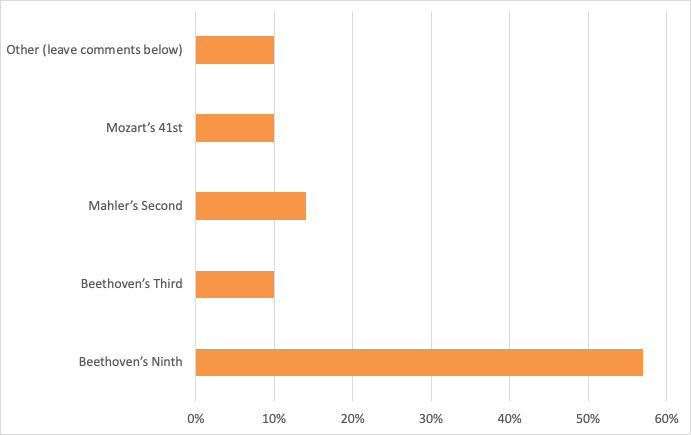
Question: Which symphony most deserves the title “best”?
Summary: Best symphony preference. Beethoven’s Ninth leads clearly with 57% of 21 respondents selecting it as most deserving of the title “best.” Mahler’s Second follows with 14% while Beethoven’s Third, Mozart’s 41st and Other each account for 10%. Total responses: 21.
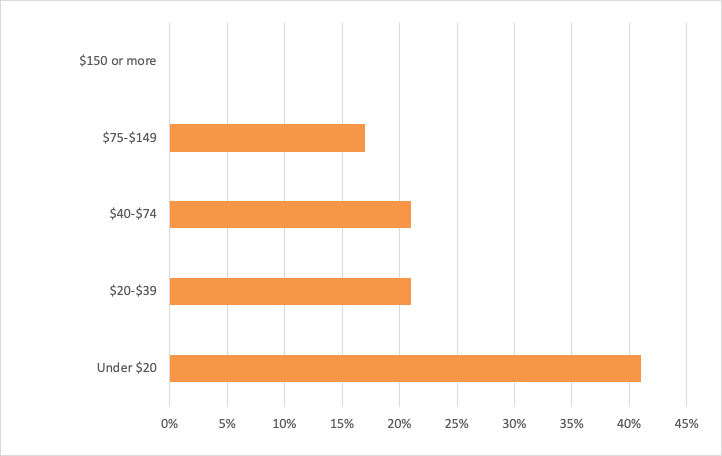
Question: How much did you pay for the last bottle of wine you purchased?
Summary: Last bottle purchase price. The largest share of respondents paid under $20 for their last bottle of wine with 41% of 29 respondents selecting that option. The $20-$39 and $40-$74 ranges each account for 21% while 17% paid $75-$149 and no respondents reported paying $150 or more. Total responses: 29.
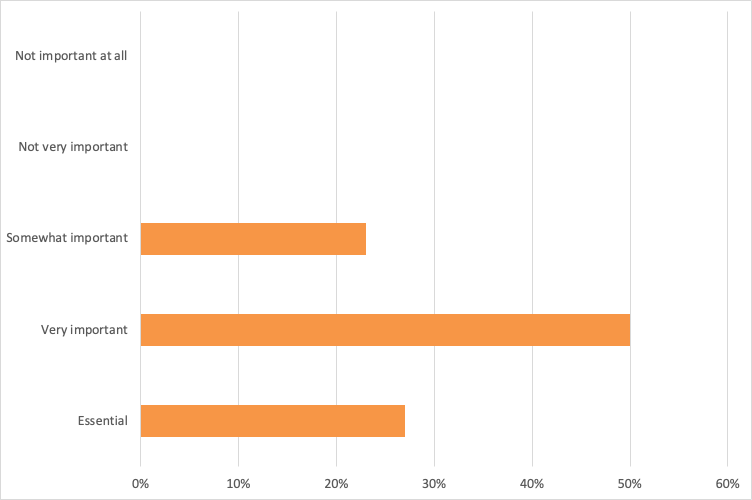
Question: How important is regional character in a great wine?
Summary: Importance of regional character in great wine. Respondents strongly value regional character with 50% of 26 respondents calling it very important and 27% calling it essential. Another 23% consider it somewhat important while no respondents selected not very important or not important at all. Total responses: 26.
This Week's Word Challenge Reveal:
The correct answer is C: “Seed release triggered by fire.”
“Serotiny” describes delayed seed release, usually from cones or woody fruits that remain closed until an environmental trigger causes them to open. Fire is the best-known trigger, though moisture, drying or plant death can also play a role. The term matters in California’s fire-prone landscapes because serotinous plants help explain how some forests and shrublands regenerate after wildfire.
The word comes from “serotinous,” from the Latin “serotinus,” meaning “late” or “coming late.” The Oxford English Dictionary traces “serotinous” in English to 1656, and botanical use later narrowed around delayed flowering, opening and seed release. In ecology, the word became especially useful for describing plants whose reproductive timing is tied to disturbance, including fire.
Explore These Related Articles:


Browse All Napa Valley Features Stories
The views, opinions and data presented in this article are those of the author and do not necessarily reflect the official policy, position or perspective of Napa Valley Features or its editorial team. Any content provided by our authors is their own and is not intended to malign any group, organization, company or individual.