

Friday E-dition: A Generation Comes Home to Tell Napa’s Other Story
By Tim Carl

Summary: Four longtime Napa farming families premiered a short film, “Napa As It Was,” at Robert Biale Vineyards, then took the stage to highlight that the headlines about wine’s decline miss a second story in the valley. Members of the next generation, including Alex Biale and Hannah Salvestrin, have moved home to take over family operations even as vineyards are pulled across the region. Veteran growers Tom Gamble, Bob Biale, Rich Salvestrin and Jim Lincoln tied the night to the 1968 Agricultural Preserve fight that kept Napa in farmland. Grower Andy Beckstoffer and several guests framed the stakes in terms the evening left unresolved.
A Generation Comes Home to Tell Napa’s Other Story
By Tim Carl
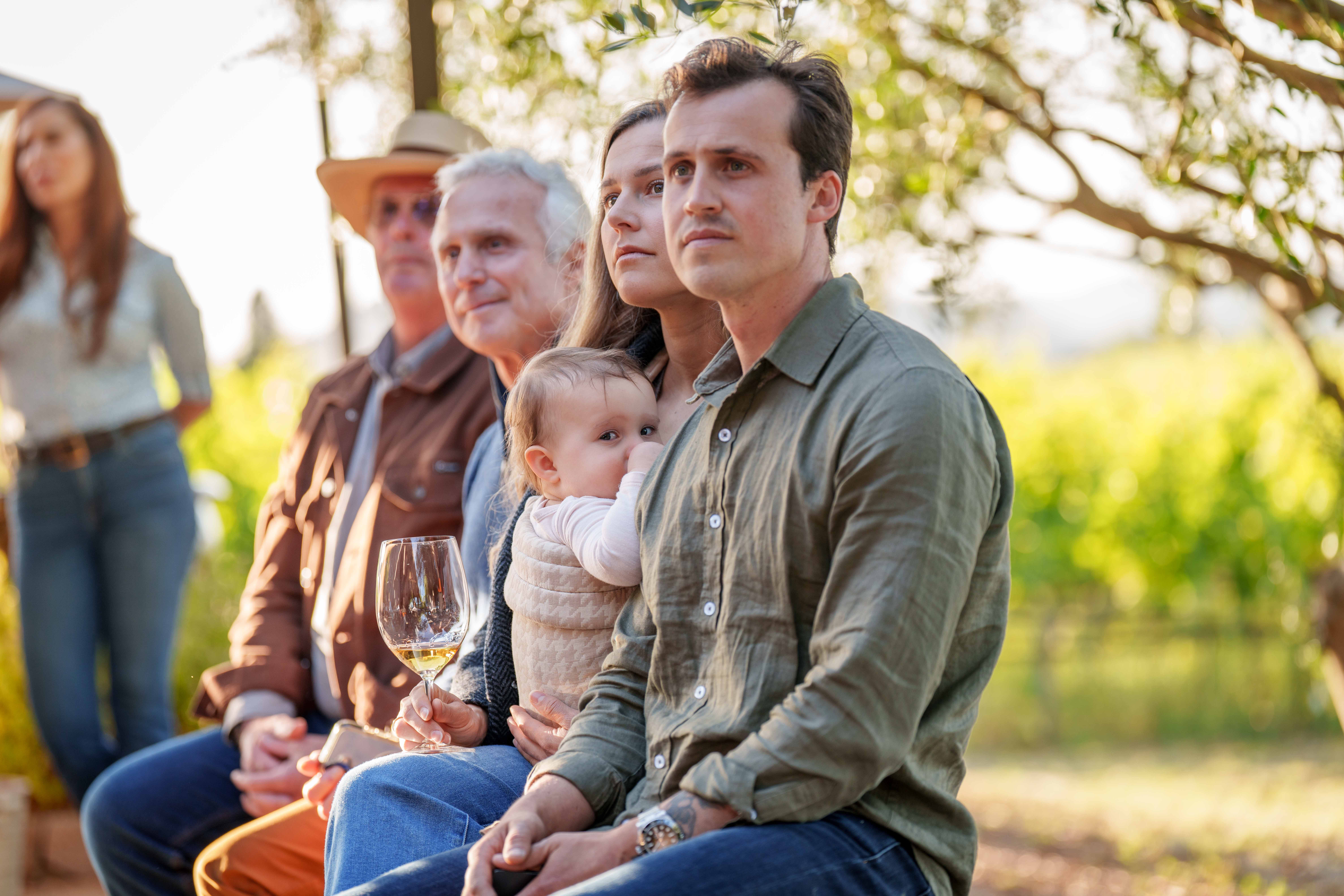
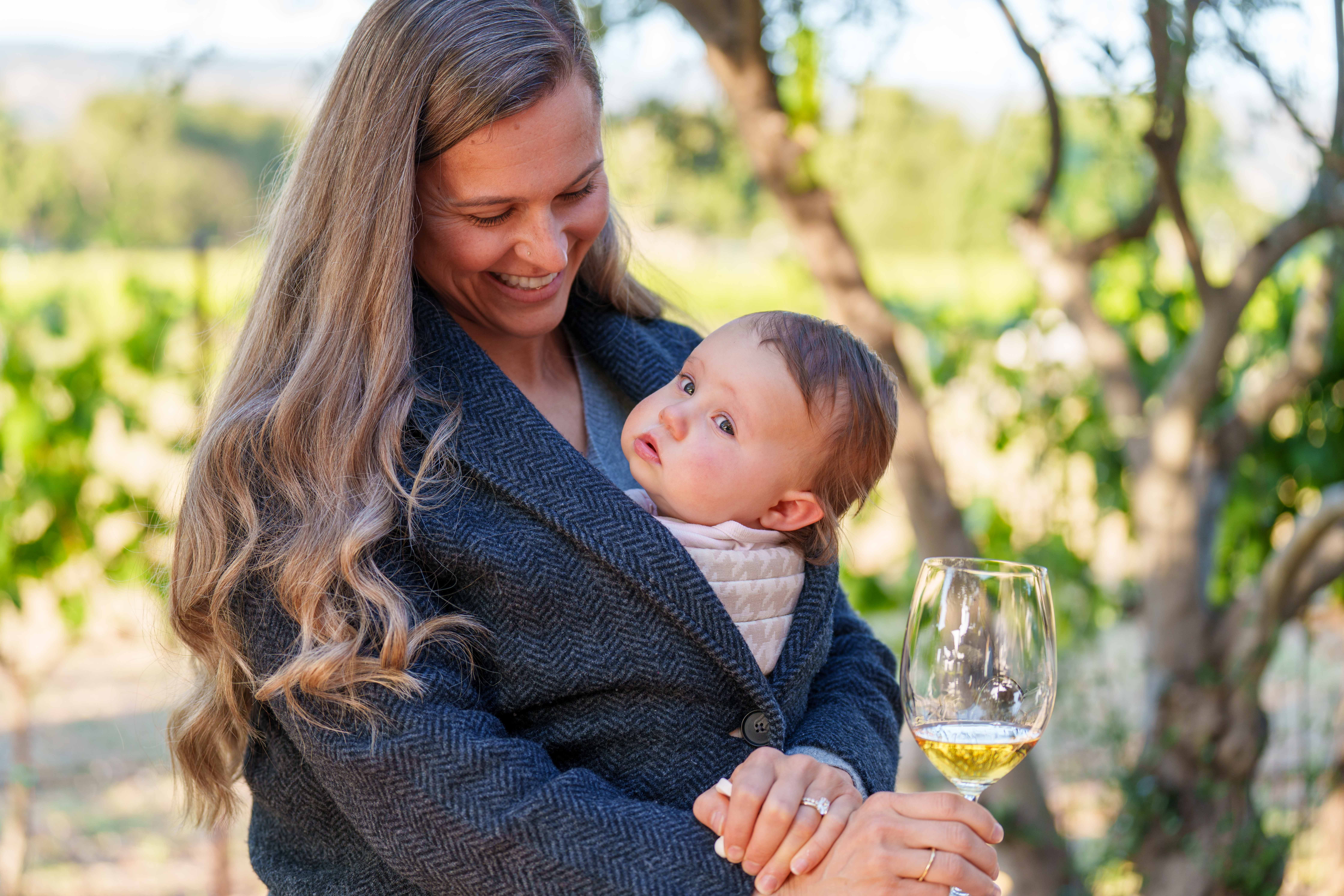
NAPA VALLEY, Calif. — Alex Biale had not planned on his 13-month-old daughter being part of the program. Hazel skipped bedtime and joined the crowd of about 100 gathered at Robert Biale Vineyards for the premiere of a short film called “Napa As It Was,” and her father, holding a microphone he said he was not used to, made her his opening line.
“She has FOMO,” he said. “She doesn’t like to miss out on things.”
The joke landed. The evening underneath it did not pretend to be light. Biale, a fourth-generation farmer and son of Bob and Wendy Biale, told the room that anyone who had read a headline lately knew the story being told about Napa: alcohol consumption down, visitation down, longtime estates selling because farming is harder and less forgiving than the postcards suggest.
“There’s certainly truth to a lot of that,” he said. “But there are those of us that think that there is a different story to tell, and there are those of us that are doubling down.”
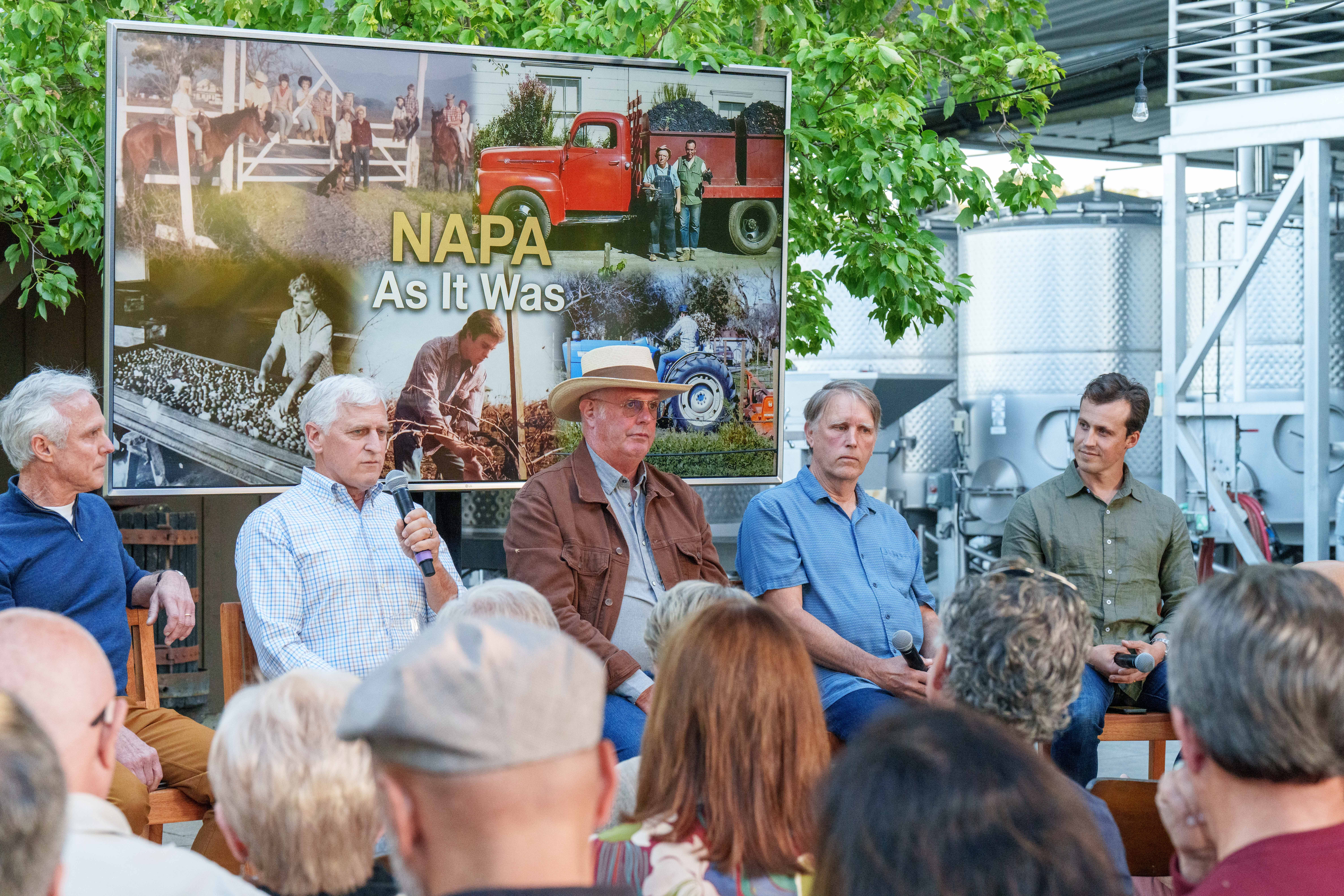
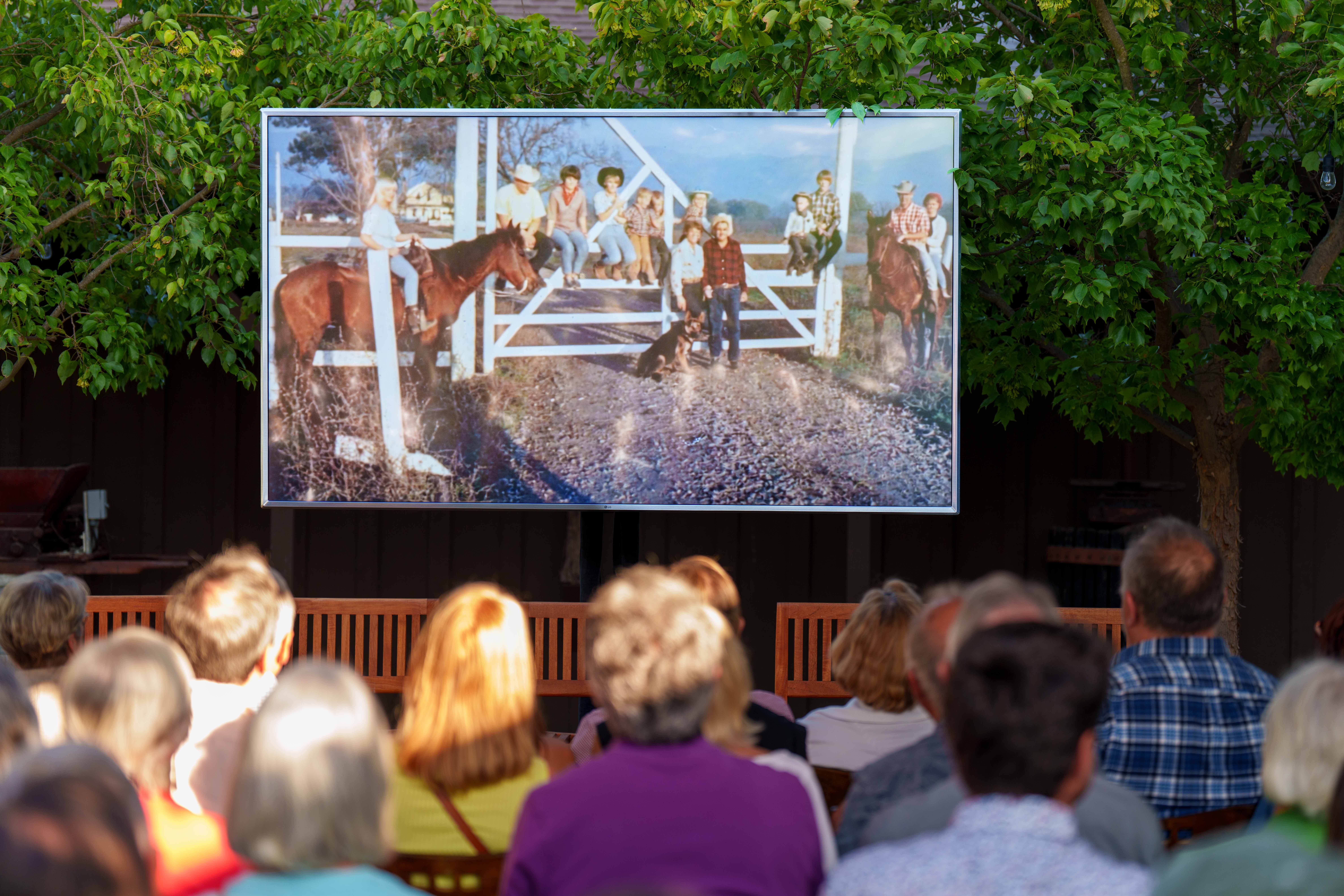
The film, made by David Schloss, traces the valley from its diversified-farming past — prunes, walnuts, cattle and chickens — through the 1968 Agricultural Preserve, the first such ordinance in the nation, which locked much of the valley floor into farmland and bought time for the wines that would win the 1976 Judgment of Paris. Biale’s father chose the partners: third-generation farmers Tom Gamble and Rich Salvestrin of Salvestrin Winery, and Jim Lincoln, a second-generation farmer who grew up on an Oakville ranch and manages vineyards and sustainability for Beckstoffer Vineyards. Two of the families’ children, plus Salvestrin’s daughter Hannah and Lincoln’s son Andrew, sat in the audience as the people the night was aimed at.
Coming Home
Biale grew up in these vineyards, then left to prove he could do something else. He went to Cal Poly San Luis Obispo, moved to Boulder, Colorado, and built a consulting company. His daughter was born in April 2025.
“Something just clicked, something changed, and I felt a call to arms to want to come back,” he said. He and his wife, Mallory, moved back, and he now runs marketing for the family winery, describing himself as a “forever intern of the vineyard.”
The homecoming is not sentimental for him. He runs the Napa Valley Vine Trail in the mornings and passes blocks that have been torn out and will not be replanted.
“It is breaking my heart,” he said. “It is a sobering time, and so that responsibility is also not lost on me.”
The clearest image of that pressure sits across from Vintage High School on Jefferson Street: Aldo’s Vineyard, head-trained zinfandel his grandfather Aldo planted in 1937, long ago boxed in by a subdivision. I wrote about that vineyard in 2016 as one of a handful of old-vine survivors standing like a fortress against homogenization, hemmed in then by encroaching homes. It is still there. It has become a useful figure for the squeeze the whole valley feels: old roots, rising pressure on every side.
The Fight They Inherited
The panel spent much of its time on memory, and the memory was not soft. Lincoln recalled changing irrigation pipe at 6 a.m. and a father who disked the soil to dust. Salvestrin remembered delivering grapes to the co-op in October and not learning the price until the following February — $250 or $300 a ton, by his account, in a decade when “everybody had another job.” Bob Biale recalled his own father delivering grapes and sometimes not getting paid at all.
Gamble set the present downturn inside a longer pattern of survived ones.
“You want to make a lot of money, go to Wall Street or Silicon Valley,” he said. “This is a place of passion.” He argued the growers who endured would lead the recovery: “There’s going to be just less out there. And Napa is on top already by reputation.”
Lincoln delivered the line Biale called the film’s call to action.
“Don’t take this for granted,” he said. “Your generation could lose it, just like we almost lost it.” He also pushed back on the idea that quality requires a luxury price: “Even if we don’t command $200 a bottle for wine, we can still grow a hell of a $100 bottle.”
That fight has a living memory in the room. Andy Beckstoffer, who arrived in Napa in 1969 and joined the county planning commission in 1975, described the preserve era as bruising — less about preservation, he said, than about landowners insisting “you can’t tell me what to do with my land.” He does not romanticize a return to it.
“We can’t go back to being farmers,” he said. “This has got to be wine country.”
He called the Napa Valley brand stronger than ever and named the real variable plainly: The biggest challenge in the year ahead, he said, is the American economy. Asked whether that was pessimistic, he answered, “It never gets worse than it is now. We’ll be just fine.”
Touch Grass
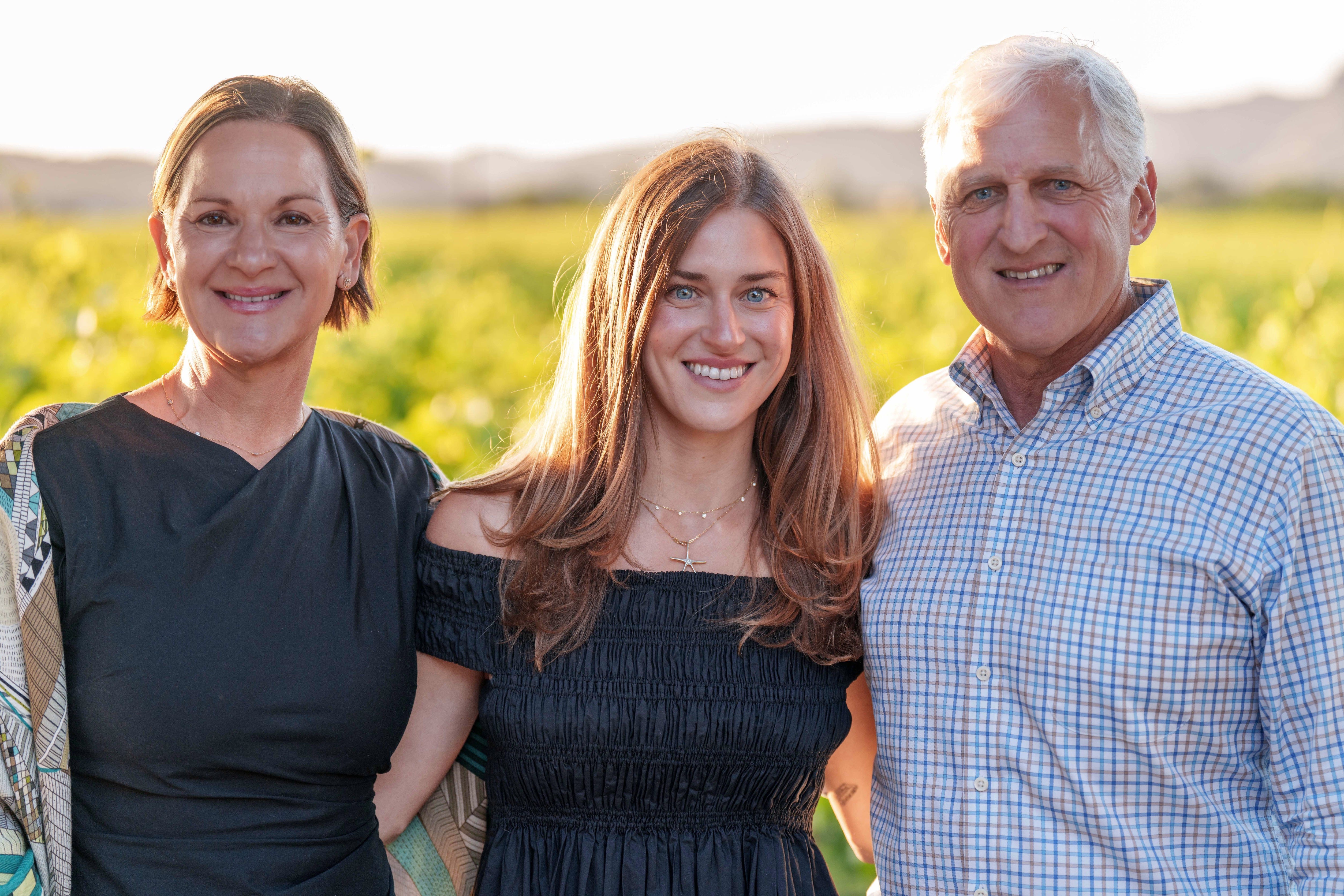
If Biale is the homecoming framed as marketing, Hannah Salvestrin is the homecoming framed as hospitality. Fourth generation, raised in St. Helena, she went to Texas Christian University, studied merchandising and French and worked as a buyer for Williams-Sonoma before joining the family business in 2023. She is now the winery’s hospitality director and runs the Inn at Salvestrin in St. Helena, the bed-and-breakfast in the historic home Dr. Crane built in 1879 and her family has owned since 1932. Her grandmother opened it to guests in 1991; the family reopened it in May 2026 after closing during the pandemic.
She is 29, and she is tired of being asked why her generation does not drink.
“Gen Z has just barely started drinking, and Gen Z is drinking,” she said.
She allowed the complication herself: Napa prices have climbed steeply over two decades, and she is only now earning enough to reach for the bottles she sells. Her pitch is family over spectacle, the working farm over what she called the “sterile” corporate tasting room. Her closing advice was not about wine at all.
“Touch grass,” she said — plant a garden, watch something grow start to finish.
That instinct is what brought Marco and Charles Simonsen to the event, empty-nesters who settled in Napa more than 25 years ago after Charles, a federal criminal investigator, transferred to San Francisco and retired here. They had come with a question.
“We want to know if the Napa Valley is in jeopardy,” Marco said, “and if it is, what we can do besides drink wine.”
They had been putting it to everyone at the party. The answer they kept getting: Talk about it, and keep showing up.
The Long Bet
For all the headlines the panel set out to answer, no one on stage tried to win the argument with a number. The case was the room itself: four families, the children who came back and a 1-year-old asleep against her father by the end of the night. Alex Biale called the whole effort “our little bet.”
The bet is literal. Bob Biale, asked what would have to be true for Hazel to farm this ground in 50 years, said Napa would have to still matter, and its leaders would have to keep choosing agriculture over the alternative — “because it could go away.” The children of the old guard are wagering their working lives on the same valley floor their grandparents nearly lost. The night did not pretend to know whether the bet pays. Its sharper question was quieter: whether choosing to come home is the same thing as being able to stay.
--
Tim Carl is a Napa Valley-based photojournalist.
Today’s Polls:
Poem of the Day:
“Plant A Tree”
By Lucy Larcom
He who plants a tree
Plants a hope.
Rootlets up through fibres blindly grope;
Leaves unfold into horizons free.
So man’s life must climb
From the clods of time
Unto heavens sublime.
Canst thou prophesy, thou little tree,
What the glory of thy boughs shall be?

He who plants a tree
Plants a joy;
Plants a comfort that will never cloy;
Every day a fresh reality,
Beautiful and strong,
To whose shelter throng
Creatures blithe with song.
If thou couldst but know, thou happy tree,
Of the bliss that shall inhabit thee!

He who plants a tree,–
He plants peace.
Under its green curtains jargons cease.
Leaf and zephyr murmur soothingly;
Shadows soft with sleep
Down tired eyelids creep,
Balm of slumber deep.
Never hast thou dreamed, thou blessed tree,
Of the benediction thou shalt be.

He who plants a tree,–
He plants youth;
Vigor won for centuries in sooth;
Life of time, that hints eternity!
Boughs their strength uprear;
New shoots, every year,
On old growths appear;
Thou shalt teach the ages, sturdy tree,
Youth of soul is immortality.

He who plants a tree,–
He plants love,
Tents of coolness spreading out above
Wayfarers he may not live to see.
Gifts that grow are best;
Hands that bless are blest;
Plant! life does the rest!
Heaven and earth help him who plants a tree,
And his work its own reward shall be.
About the author: Lucy Larcom (1824–1893) was an American poet, teacher and editor from Massachusetts. As a young girl she worked in the Lowell textile mills, an experience that shaped her later writing about labor, education and moral purpose. She contributed to “The Lowell Offering” and later became associated with New England literary culture, publishing poetry, essays and memoir.
“Plant a Tree” reflects Larcom’s plainspoken lyric style, joining nature imagery with ethical reflection. The poem turns the act of planting into a figure for hope, generosity and care for future generations, using direct repetition and simple cadence to give the poem the feel of both song and civic exhortation.
Are you a poet, or do you have a favorite piece of verse you’d like to share? Napa Valley Features invites you to submit your poems for consideration in this series. Email your submissions to napavalleyfeatures@gmail.com with the subject line: “Poem of the Day Submission.” Selected poets will receive a one-year paid subscription to Napa Valley Features (a $60 value). We can’t wait to hear from you.
Today’s Caption Contest:
Pick your favorite caption or add your own in the comments below.
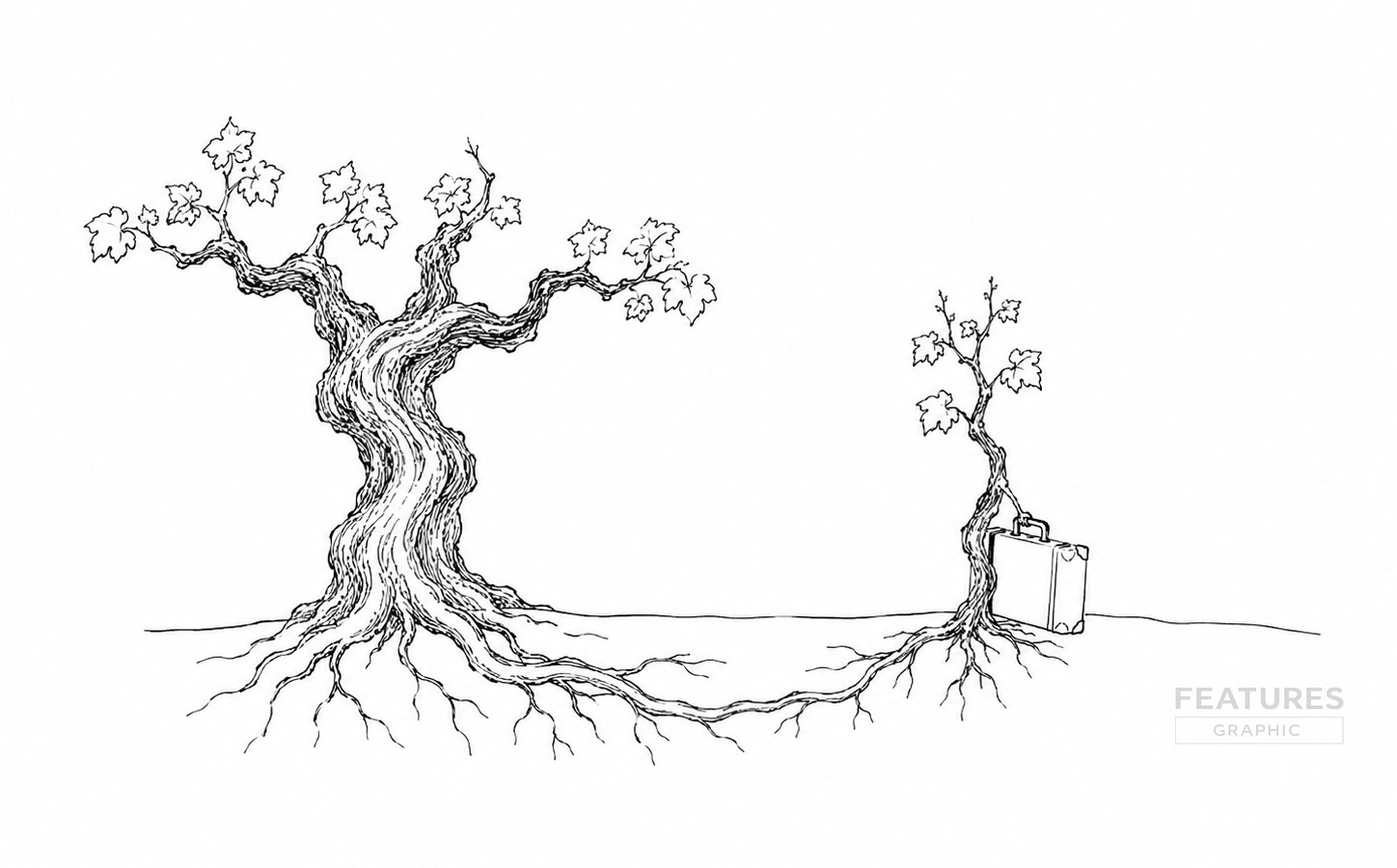
Possible Captions:
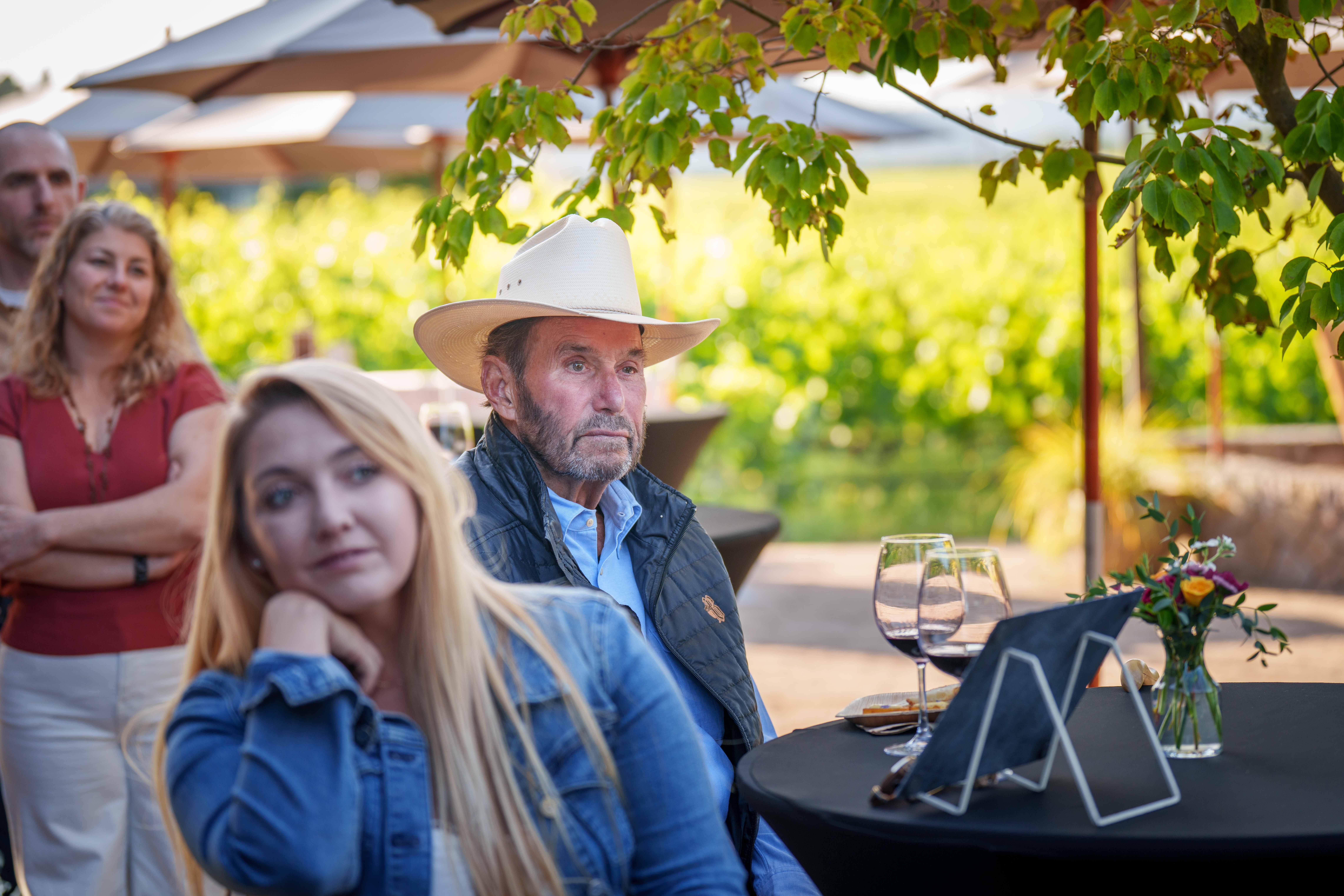
The roots made a compelling case.
One thing led to another.
The internship never really ended.
The timing felt right.
The position has been filled.
Last Week’s Contest Results:
In “After Grapes, A Path Back to Food Crops in Napa County,” the winning caption was “Artisanal Grazing Unit,” with 40% of the votes.
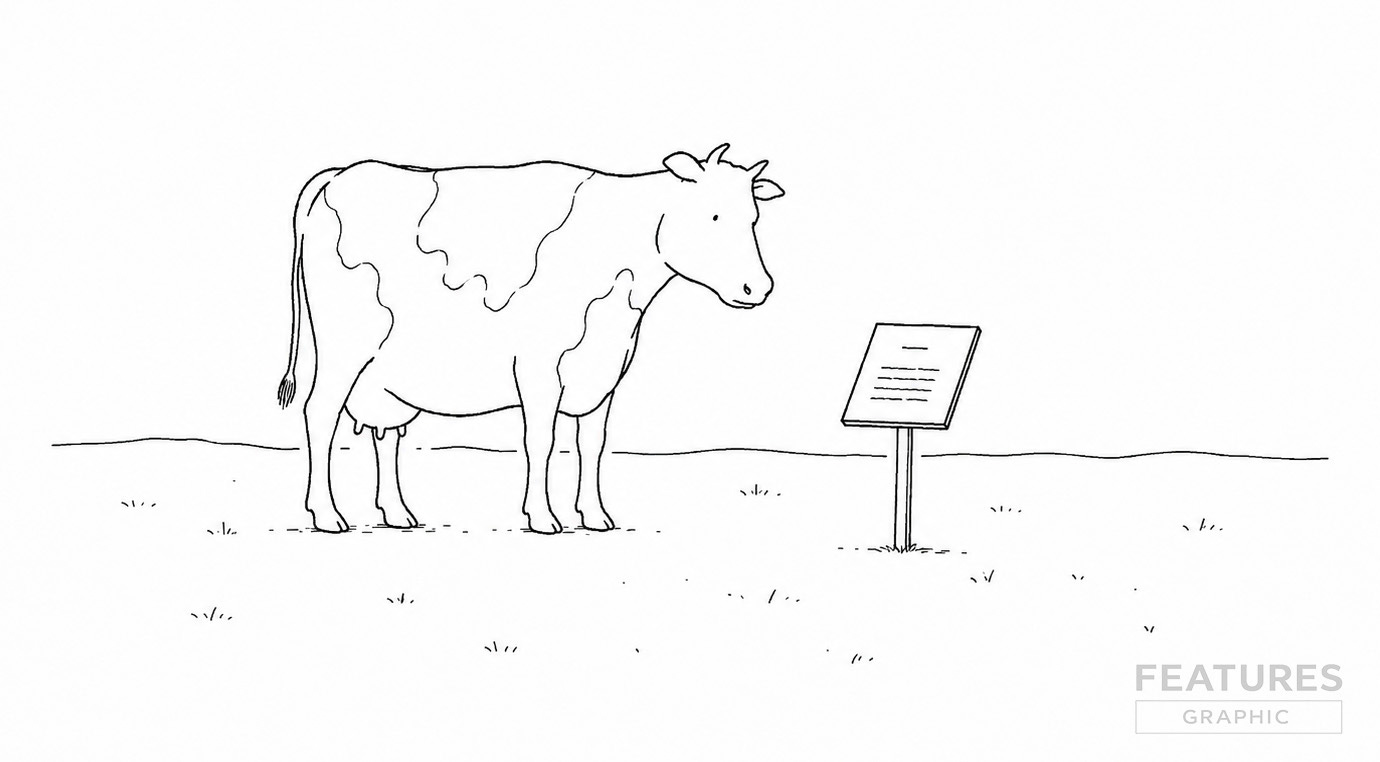
Caption Options:
“Formerly Just Another Cow”
“Modern Cow (Late Agricultural Period)”
“Artisanal Grazing Unit”
“Grass-Fed, Atmosphere-Aware”
“Please Do Not Discuss Retail Value Near Exhibit”
Explore These Related Articles:


Browse All Napa Valley Features Stories
Browse All Sonoma County Features Stories
Browse All Lake County Features Stories
—
The views, opinions and data presented in this article are those of the author and do not necessarily reflect the official policy, position or perspective of Napa Valley Features or its editorial team. Any content provided by our authors is their own and is not intended to malign any group, organization, company or individual.

Excellent article. My fingers are crossed by checking "...recover in 5 years." :-)
It depends on the economy, the prices of wines, and whether the market is oversaturated. I used to work at a Sonoma County winery way back, and it's sad to see good wines of theirs being sold at Grocery Outlet. Those prices are definitely more affordable for buyers, though....