


The Spotlight
Welcome to "Under the Hood," the Saturday series for our paid Napa Valley Features subscribers. This week we focus on the growing claims by some in the wine industry that they are being unfairly attacked by those using negative health data to undermine alcohol consumption, as well as the validity and likely implications of these claims. We're also diving into the details, analyzing data from our latest readers’ polls and providing insights from our economic dashboard for both the local Napa Valley and broader U.S. and global markets.

In addition, we feature "What We're Reading," a section with a handpicked list of recent articles providing a variety of viewpoints on issues important to our community.
Decanting the Data:
Alcohol and Health: Complex and Contentious
By Tim Carl
NAPA VALLEY, Calif. — Discussing alcohol's health implications is politically charged and fraught with controversy and strong emotions. Such discussions have some in the alcohol and wine industries feeling under attack by those highlighting the health risks of alcohol consumption. While some negative health-outcome critiques may be exaggerated, the fact is that alcohol is a potentially harmful substance that can cause disease and death.
Therefore, as this conversation unfolds, it is crucial to base it on objective data and carefully consider the potential impact on the wine industry if it seems to fight back against these facts. Even talking about wine consumption in the same breath as positive health outcomes is fraught with challenges. Additionally, claiming that the industry is being "attacked" is a form of victimhood and likely to backfire.
What Is the “Wine Industry” Anyway?
First, the “wine industry” is very much unlike most others. In the United States alone it generated $107 billion in 2023. Dominated by the top 10 producers, who make up nearly 70% of the production, the remaining producers consist of thousands of small, family-owned businesses that often have an agricultural element to their operations and many have been run for generations, typically on tight margins. Other players include Wall Street-backed corporations. This presents challenges when grappling with any issues within the broader industry.
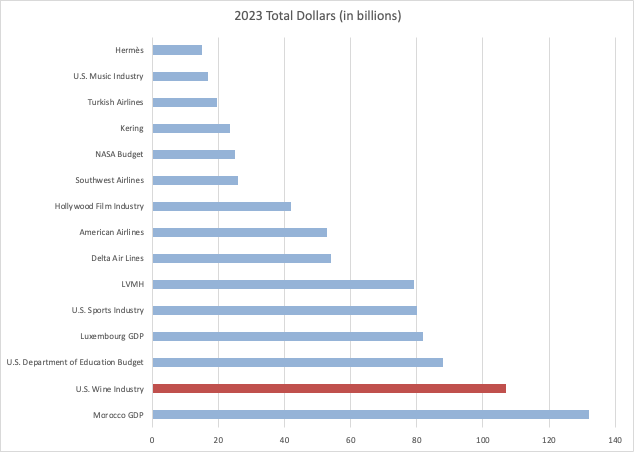
That said, with an industry that is so big and so valuable, there are plenty of wine-focused advocacy groups, industry organizations and others that coordinate when it comes to messaging and broader marketing strategy, although this isn’t always the case. So, when we talk about the “industry,” it’s important to recognize the independence and diversity that exist in such a disparate and complex sector.
The Health Benefits Argument
Proponents of moderate alcohol consumption often cite research suggesting it can reduce the risk of certain cardiovascular diseases. Studies have shown that moderate alcohol consumption, particularly of red wine, may have a protective effect on the heart. This is often attributed to alcohol’s potential to increase high-density lipoprotein cholesterol and its antioxidant properties.
The Risks and Realities
Despite these potential benefits, the risks associated with alcohol consumption are substantial and well-documented. Alcohol is an addictive, mind-altering depressant that affects the central nervous system, leading to various mental and physical health issues. In the United States alone, nearly 138,000 people died from alcohol-related causes between 2016 and 2017, a number that surged to more than 178,000 by 2020-2021. The COVID-19 pandemic exacerbated this trend, with alcohol-related deaths increasing by 29%. Factors contributing to this spike included heightened stress, social isolation and the increased availability of alcohol through home-delivery services.
According to the World Health Organization, which has become the boogeyman for some in the industry, alcohol is a causal factor in more than 200 disease and injury conditions. Annually, alcohol consumption is responsible for approximately 3 million deaths worldwide, representing 5.3% of all deaths.
These statistics highlight the severe public-health impact of alcohol, contrasting starkly with the claims of moderate drinking’s benefits.
Alcohol and Young Generations
The younger generations are particularly attuned to the health risks of alcohol. Many are increasingly skeptical of claims that promote moderate drinking as a component of a healthy lifestyle.
Young adults are increasingly concerned about the health risks associated with even moderate drinking. A Gallup poll highlighted that 52% of young adults now believe moderate drinking is unhealthy, a significant increase from 34% five years ago. This shift in perception is part of a broader trend toward health and wellness among younger generations.
Furthermore, the political fracturing of our society has made younger people especially wary of consuming products linked to false advertising, misleading claims or controversy. They are less likely to support industries that they perceive as dishonest or manipulative. Creating an "us versus them" situation within the alcohol industry may result in alienating these potential new wine consumers rather than embracing them.

This demographic shift is significant for the wine industry, which risks alienating potential future consumers by downplaying the harmful effects of alcohol and engaging in contentious narratives.
The Wine Industry's Response
The wine industry’s response to criticisms of alcohol consumption has increasingly been defensive by some, framing such critiques as “attacks” by "neo-prohibitionists." However, this approach is likely to backfire. Drawing parallels with the tobacco industry, which notoriously downplayed the health risks of smoking, the wine industry faces a credibility crisis if it continues to deny the dangers of alcohol consumption.
Data on Alcohol-Related Harm
A study found that from 2015 to 2019 excessive alcohol consumption accounted for 12.9% of total deaths among U.S. adults ages 20 to 64 years and 20.3% of deaths among those ages 20 to 49 years, highlighting significant state-by-state variations and suggesting that stronger alcohol policies could reduce these premature deaths.
Other such data include:
Motor vehicle crashes: A 2018 study showed that alcohol-impaired driving fatalities accounted for 10,511 deaths in 2018, representing nearly 29% of all traffic-related deaths in the United States.
Alcohol poisoning: Acute alcohol poisoning leads to numerous emergency room visits and fatalities each year, especially among young adults and college students.
Various cancers: Alcohol consumption is a known risk factor for cancers of the mouth, throat, esophagus, liver, colon and breast. The American Cancer Society estimates that about 6% of all cancers worldwide are related to alcohol consumption.
Liver cirrhosis: Chronic alcohol use is a major cause of liver cirrhosis, accounting for about 50% of liver-disease deaths in the United States. The Centers for Disease Control and Prevention reports that approximately 22,000 people die from alcohol-related liver disease annually.
Alcohol use disorder: According to the 2022 National Survey on Drug Use and Health, 29.5 million people ages 12 and older (10.5% in this age group) had alcohol use disorder.
Suicide: According to recent estimates from the CDC, 21.0% of suicides have blood alcohol concentrations of 0.1% or more.

Public Health Strategies to Explore
For those in the alcohol industry hell-bent on touting the health benefits of consumption or claiming to be “attacked” when health concerns are mentioned, if the above data don’t give you pause, then you probably need to take lessons from the tobacco industry, sadly. Their history provides stark examples of how aggressive defense of harmful products can backfire, leading to public backlash, legal repercussions and significant financial losses. Key examples include:
Denial and manipulation of research: For decades the tobacco industry denied the link between smoking and health problems such as lung cancer and heart disease. Internal documents revealed that tobacco companies were aware of these risks but deliberately manipulated research findings. This strategy backfired when the documents were exposed, showing that the industry knew the dangers but chose to mislead the public.
Aggressive marketing and targeting vulnerable populations: The tobacco industry’s marketing strategies, such as using cartoon characters to attract young smokers, drew sharp criticism and led to significant regulatory crackdowns.
Legal and financial consequences: The Master Settlement Agreement in 1998 required major tobacco companies to pay $206 billion over 25 years to settle lawsuits with 46 states. This, along with restrictions on advertising, severely damaged the industry’s public image and financial standing.
Regulatory backlash and declining social acceptance: Governments worldwide enacted strict regulations on tobacco advertising, packaging and consumption, leading to a significant reduction in smoking rates and a negative public perception of the tobacco industry. According to the CDC, the percentage of U.S. adults who smoke cigarettes declined from 20.9% in 2005 to 12.5% in 2020.
But All is Not Hopeless
Unlike cigarettes, wine and other alcohols have a long history of being consumed and enjoyed responsibly. For the foreseeable future, this trend is likely to continue. The wine industry is beginning to consider various approaches as they navigate this complex landscape and conversation:
Dropping the victim narrative: Avoiding the portrayal of the wine industry as a victim of public-health concerns and even proactively highlighting alcohol's legitimate health risks.
Transparent marketing: Adopting marketing strategies that acknowledge the health risks of alcohol. Highlighting the cultural and historical aspects of wine to shift the focus from consumption to appreciation.
Product innovation: Promoting wines with lower alcohol content or exploring the burgeoning market for non-alcoholic wines, which has grown as consumers seek healthier alternatives.
Public-health collaboration: Working with public-health authorities to support awareness campaigns and educational initiatives that inform consumers about the risks of alcohol use.
Partnering with health organizations can enhance credibility and show a genuine commitment to public health.
Future Implications for the Wine Industry
The wine industry should consider these lessons to avoid similar pitfalls. Denying the health risks associated with alcohol consumption and adopting a defensive stance could lead to regulatory backlash, legal consequences and a loss of public trust.
Potential Future Outcomes
A committee of 20 nationally recognized nutrition and public-health experts, appointed by the U.S. Department of Health and Human Services and the U.S. Department of Agriculture, is evaluating current scientific evidence on alcohol consumption and health outcomes. This committee's findings will influence the 2025 Dietary Guidelines for Americans, potentially aligning with the WHO’s stance that no level of alcohol consumption is safe. Guideline changes have already been adopted by Canada and Ireland.
Stricter labeling laws: Governments may impose more stringent labeling requirements, including health warnings similar to those on tobacco products.
Increased governmental warnings: Agencies such as the CDC and the WHO might intensify their warnings about the health risks of alcohol.
Heightened consumer wariness: As public awareness of alcohol's health risks grows, consumers may become more skeptical of claims that promote moderate drinking as part of a healthy lifestyle.
Increased taxation: Governments may continue to raise taxes on alcoholic beverages to discourage consumption and generate revenue for public-health initiatives.
Greater regulation of use: Policies could become stricter regarding the availability and sale of alcohol, including limitations on sales hours, the number of outlets and restrictions on advertising.
Imagining a New Path
The data unequivocally show that alcohol consumption carries health risks. That being the case, claims that alcohol is healthy or that the industry is being attacked when negative health outcomes are highlighted are misleading. Such claims of victimhood may actually exacerbate the very problems the industry is trying to solve. By attempting to promote more consumption through these misleading claims, they inadvertently highlight and perpetuate the risks associated with alcohol use. To counter this, the wine industry might consider addressing these risks transparently rather than adopting a defensive posture. By aligning with public-health goals and supporting efforts to reduce alcohol-related harm, the industry can maintain credibility, avoid regulatory and legal pitfalls, and contribute positively to public-health outcomes. This approach not only enhances its credibility but also demonstrates a commitment to the well-being of its consumers. Additionally, it can be acknowledged that wine is a historic, delicious and diverse beverage enjoyed by countless cultures throughout history.
If today's story captured your interest, explore these related articles:
Under the Hood: Napa County faces economic challenges due to aging, decreasing population
Wine in Crisis: Navigating Prohibitionist Waves and Market Shifts
Under the Hood: A New Look at Workforce and Economic Development
Tim Carl is a Napa Valley-based photojournalist.
In his article “Dan Berger's Varietal Views: Red Blends” Berger expresses his skepticism toward most domestic blended red wines, finding them too high in alcohol and lacking the acidity needed to pair well with food. He is also critical of many varietal red wines, which he believes often fail to accurately represent the grape variety on the label. He prefers wines from cooler regions that exhibit distinctive traits and criticizes the trend toward overly sweet, commercial wines in the United States.
Recent Reader Poll Results
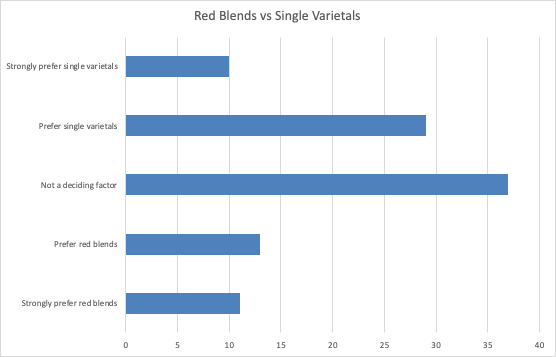
Preference for Red Blends vs. Single Varietal Wines: This poll reveals that preferences for red blends versus single varietal wines are quite varied, with 24% of respondents favoring red blends, 39% preferring single varietals and 37% indicating that the blend type is not a deciding factor. Total votes: 70.
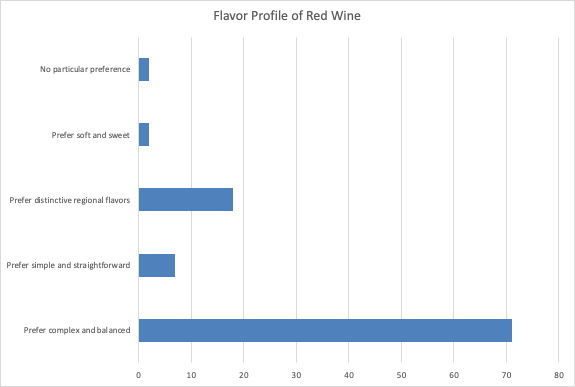
Preferred Flavor Profile of Red Wine: The majority of respondents (71%) prefer their red wine to have a complex and balanced flavor profile, while a smaller group (18%) values distinctive regional flavors. Only 7% prefer simple and straightforward wines, and an even smaller percentage prefer soft and sweet wines or have no particular preference. Total votes: 56
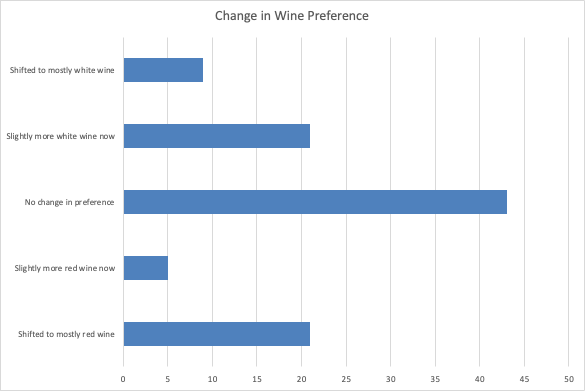
Change in Preference Between Red and White Wine: The poll indicates that 21% of respondents have shifted to mostly red wine, and another 21% now prefer slightly more white wine. A significant portion, 43%, report no change in their preference, while 14% have shifted toward white wine, whether slightly or mostly. Total votes: 56
The Economy
Economic Pulse Indicators Local:
The unemployment rate in the Napa County was 3.8% in April, down from a revised 4.2% in March and above the year-ago estimate of 3.1%. This compares with an unadjusted unemployment rate of 4.8% for California and 3.5 percent for the nation during the same period. (Source)
As of May 23, Napa County has 1,907 Type-02 winery licenses, an increase of four from last week. (Source)

As of May 23, California has 6,881 Type-02 winery licenses, up two from last week. (Source)
The labor force in Napa County rose slightly in March. (Source)
The median home price in Napa County remains lower than its peak in May 2023; February figures showed a 1.72% increase from the month prior. (Source)
Zillow's latest data reveal that as of May 23, home values in Napa County have experienced a 3.3 % increase year over year to $925,515, which is flat from last week. (Source)
Napa County’s population growth rate is currently negative 0.87% (down 1,154 from 2023) and is expected to decline significantly in the coming years. (Source)
Economic Pulse Indicators United States:
Wine production in the United States totals 806.1 million gallons, with California contributing 680.3 million gallons, making up approximately 84.4% of the nation's total wine production. (Source)
White-collar layoffs continue, with 84,600 worldwide layoffs as of May 23, which is an increase of 851 since last week. (Source)
California’s overall population is declining but not as fast as Napa County. (Source)
The April unemployment rate increased from March by 0.1% to 3.9% (Source), and the most recent household and payroll surveys reversed course slightly with an upward shift (Source).
CPI was up 0.3% in April. (Source)
U.S. Treasury yield inversion remained strong. (Source)
Gas prices dropped slightly this past week. (Source)
Credit card debt remains at historic highs. (Source)
Retail trade and food services was flat in April. (Source)
The Producer Price Index increased to 2.2% in April. (Source)
In April, the US Institute for Supply Management Manufacturing Purchasing Managers' Index, a key indicator of manufacturing sector health, dropped to 49.2 from 50.3, falling below expectations and signaling a contraction in the sector. New orders and employment continued to decline, although production levels remained stable; concurrently, the price index spiked to 60.9 due to rising costs in crude oil, aluminum, steel and plastics. (Source)
Economic Pulse Indicators Global:
Global GDP is expected to remain sluggish in 2024. (Source)
The United States maintains one of the lowest unemployment rates in the world. (Source)
Container rates spiked again last week. (Source)
Japan has a negative Q1 2024 with -0.5% GDP. (Source)
United Kingdom pulls out of recession with 0.6% GDP growth in Q1 2024. (Source)
Germany GDP remains anemic with 0.2% GDP in Q1 2024. (Source)
China’s inflation rate improved to 0.3% (Source), while their producer price change remains stubbornly negative at -2.5% in April (Source). Consumer confidence remains near an all-time low (Source), and the property market continues to falter (Source).
Napa County Government:
Rep. Mike Thompson (CA-04) celebrated the House's passage of the Federal Disaster Tax Relief Act (H.R. 5863), which includes his legislation to exempt California wildfire victims, including those from PG&E fires, from federal income tax on settlement money and attorney fees, applying retroactively; this bipartisan vote follows Thompson's rare successful discharge petition, and the bill now heads to the Senate. (Source)
The Napa County Board of Supervisors met on May 21, discussing various agenda items, including proclamations for AAPI Heritage Month and CalFresh Awareness Month, approval of amendments and agreements for local utilities and services, acceptance of donations, budget amendments, housing reports, and public hearings on taxes and housing elements, with a special joint meeting held in the afternoon with the City Council of Napa on homeless services. (Source)
What We're Reading:
High-end wine and spirits businesses such as Sotheby’s, Berry Bros. & Rudd and Justerini & Brooks are revitalizing bricks-and-mortar retail with new boutique ventures that offer contemporary, customer-focused experiences, reflecting shifts in consumer demographics and interests. (Source)
Americans continue to view real estate as the best long-term investment, with stocks gaining favor and gold declining, according to Gallup's latest survey. (Source)
The closure of Wine & Spirits Magazine, a key industry publication, underscores the significant shift in publishing from print to digital, urging wine and spirits companies to adapt their advertising and content strategies to support digital platforms and maintain industry journalism. (Source)
Target's stock plunged 7.4% after missing profit expectations for the first quarter due to weak sales of discretionary items, reflecting a dip in consumer confidence and credit-card max-outs, despite improved gross margins from cost cuts and lower freight rates. (Source)
As the sun approaches its solar maximum, a massive solar storm recently produced dazzling auroras visible at unusually low latitudes and caused temporary disruptions to global communications and satellite operations, with scientists anticipating more such storms in the coming months. (Source)
Using Google Cloud, scientists from the Asteroid Institute and the University of Washington analyzed hundreds of thousands of archival images to identify 27,500 previously overlooked asteroids, significantly advancing planetary defense efforts. (Source)
A new experimental obesity drug, which combines a gut-hormone mimic with an NMDA-receptor blocker, shows promise in significantly enhancing weight loss in mice by targeting appetite-regulating neurons in the brain. (Source)
A new AI tool, combining social psychology and large language models, predicts the real-world impact of online health misinformation by analyzing specific language patterns in Reddit posts, revealing a correlation between misleading information and increased COVID-19 vaccine hesitancy and adverse health outcomes. (Source)
Researchers are working to reverse-engineer large language models such as ChatGPT to understand their operations, combining methods from explainable AI, psychology and neuroscience to improve transparency and safety, while grappling with their complexity and unpredictable behavior. (Source)
AI-driven computer modeling is helping Ghana plan its renewable energy future by balancing infrastructure investments with environmental and human health impacts, aiming for a sustainable and reliable energy system. (Source)
A study has found that a high-fat diet increases certain gut bacteria that suppress the immune system and promote breast cancer growth. (Source)
Under the Hood – The Wrap
Today we explored the politically charged and controversial nature of discussing alcohol's health implications. Despite some hyperbolic critiques, the harmful effects of alcohol, including disease and death, are undeniable. The debate between moderate drinking's potential health benefits and its significant risks underscores the need for objective data in these discussions. Younger generations are increasingly skeptical of alcohol's purported benefits, and the wine industry's defensive stance may alienate future consumers. Drawing lessons from the tobacco industry's mistakes, the article suggests that the wine industry should transparently address the health risks of alcohol and support public health initiatives to maintain credibility and avoid regulatory backlash. While acknowledging wine's historical and cultural significance, the article warns against misleading claims about alcohol's health benefits, which could exacerbate existing problems.
Not all alcohol death are due to fine red wine drinking associated with a meal but all the benefits are - a fact that most Europeans grow up with while Americans make a taboo at best or a passage of age at 21 to go and get “wasted” that due to the lack of education and not to alcohol and certainly not wine per se
While I do not deny the potential dangers of alcohol consumption, many of the statistics available are somewhat misleading. They refer to alcohol in general, but not specifically wine, and yet they are being liberally applied to the wine industry. As for more regulation, that worked out so well for the prohibition era, no? And as a designer, I cringe at the thought of adding yet more warning verbiage to an already crowded label. One further point—getting carded at 40 was amusing, but at, shall we say a somewhat more advanced age, it is wearisome. The solution? In my opinion, more education rather than regulation.