


Summary: Today’s article features Brook and Terri Penquite, founders of Nova Terra Kitchen + Creamery, discussing the recent launch of the Napa Valley Plant-Based Trail, an online guide to wineries, restaurants and other businesses offering thoughtful plant-forward options. The story places their work in a broader market context, noting both the cooling of the plant-based retail sector and continued interest among younger consumers. At its core, the piece is about hospitality and making Napa Valley easier to navigate for a wider range of diners.
Around the Valley: Upcoming Events
NEW: A selection of upcoming Napa Valley events in arts, food, wine and community life. To have your event considered for inclusion, please fill out the submission form using the button below.
Fork2Film Festival
The 2026 Fork2Film Festival brings four days of culinary, wine and agriculture films to Cameo Cinema, with screenings, filmmaker conversations and food and wine pairings from March 19 to 22. General admission is $20, $25 day-of if available. For more information call 707-963-9779, email info@cameocinema.com or visit their website. 1340 Main St., St. Helena.
Rooted in the Vine: A Wellness Gathering of Women, Wildflowers and Wine
Sunday, March 22, 3 to 5:30 p.m. Lost Valley Wines hosts an afternoon of flower essences, a guided wildflower walk, sensory wine tasting, essential oil blending and plant-based bites with a five-flight tasting. Price not provided. For more information call 707-345-6977, email monika@mbvwinemedia.com or visit their website. 1500 Wooden Valley Road, Napa.
St. Helena Historical Society
St. Helena Historical Society presents two April talks at the Heritage Center exploring local civic history and the story of Napa State Hospital.
“Diane Dillon: The Human Side of Cityhood” — Thursday, April 2, 4 p.m. — Former County Supervisor Diane Dillon shares research on St. Helena elections beginning in 1876, with stories of colorful officials and the events that shaped the town’s civic DNA. Free event.
Napa State Hospital and Its Multiple Personalities — Thursday, April 23, 4 p.m. — Architectural historian Rebecca Yerger explores the history of Napa State Hospital, from its 19th-century origins to its years as a self-sustaining campus, while also touching on its troubled past. Price not provided.
For more information call 707-967-5502, email shstory@shstory.org or visit their website. 1255 Oak Ave., St. Helena.
Souper Bowl #16
Saturday, April 18, 5:30 to 9 p.m. Calistoga Art Center’s annual fundraiser features soups from local restaurants and chefs, live and silent auctions and a handmade ceramic bowl for each guest. Tickets are $125. For more information call 707-942-2278, email info@calistogaartcenter.org or visit their website. 1401 N. Oak St., Calistoga.

Brook And Terri Penquite Chart A Plant-Forward Path Through Napa Valley
By Tim Carl
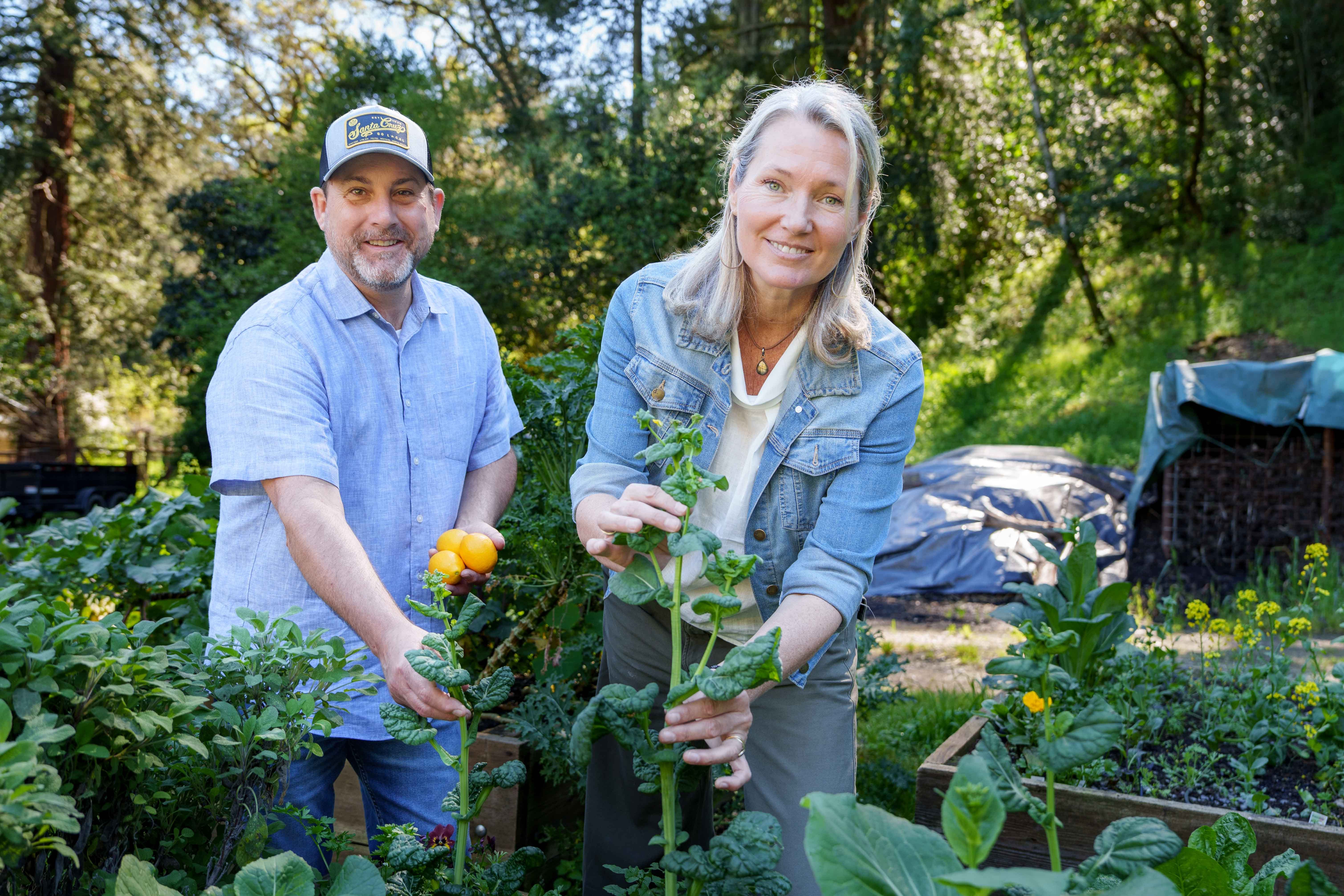
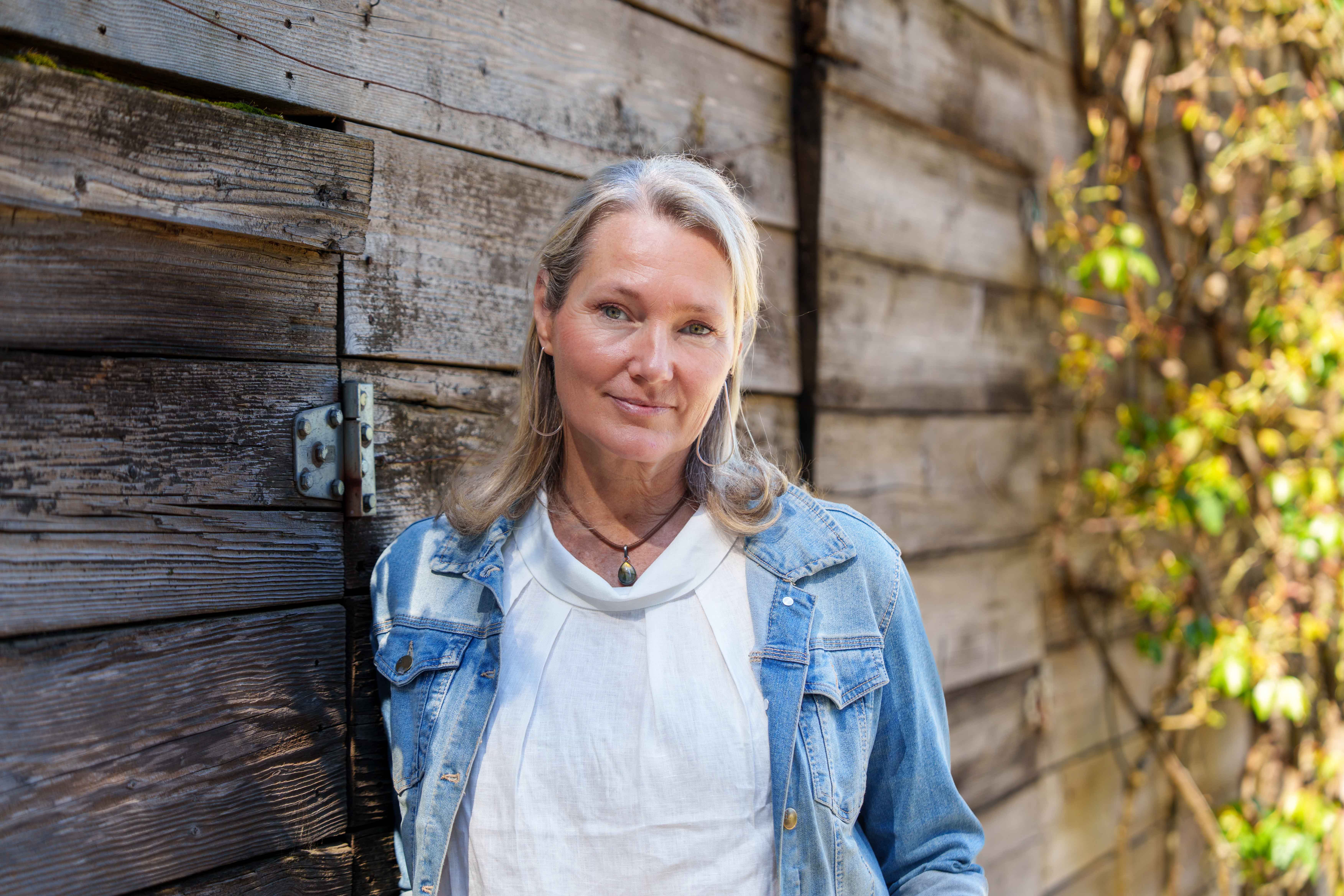
ST. HELENA, Calif. — For Brook and Terri Penquite, the question kept coming at the farmers market, at tastings and in calls from visitors planning trips to wine country: Where in Napa Valley can plant-based travelers actually go?
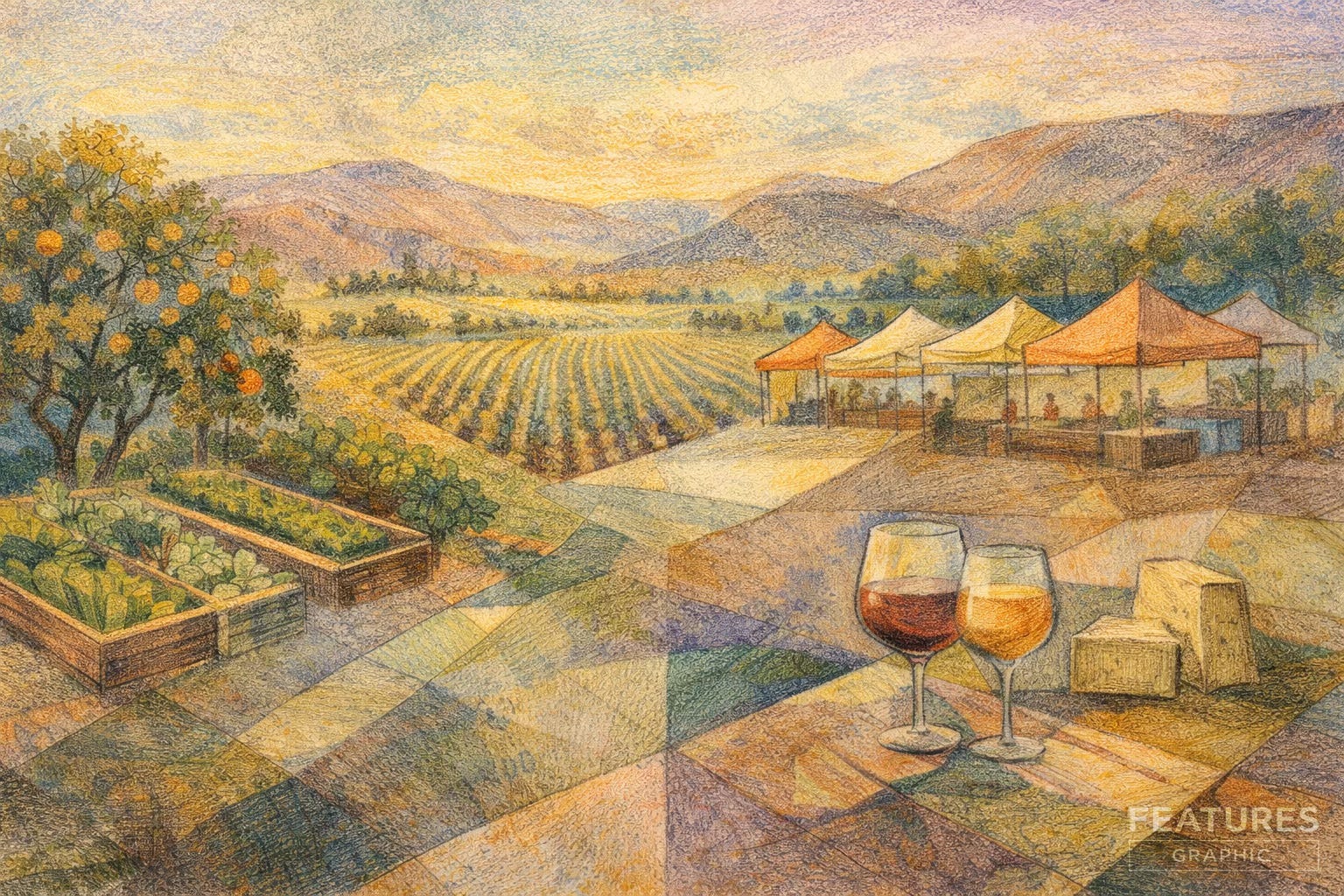
The couple, founders of Nova Terra Kitchen + Creamery, had already built a small-batch plant-based cheese business around that gap in the market. This year they turned those repeated conversations into the Napa Valley Plant-Based Trail, a guide meant to help visitors find wineries, restaurants and experiences offering vegan-friendly wines, plant-forward dishes and a wider range of options at the table.

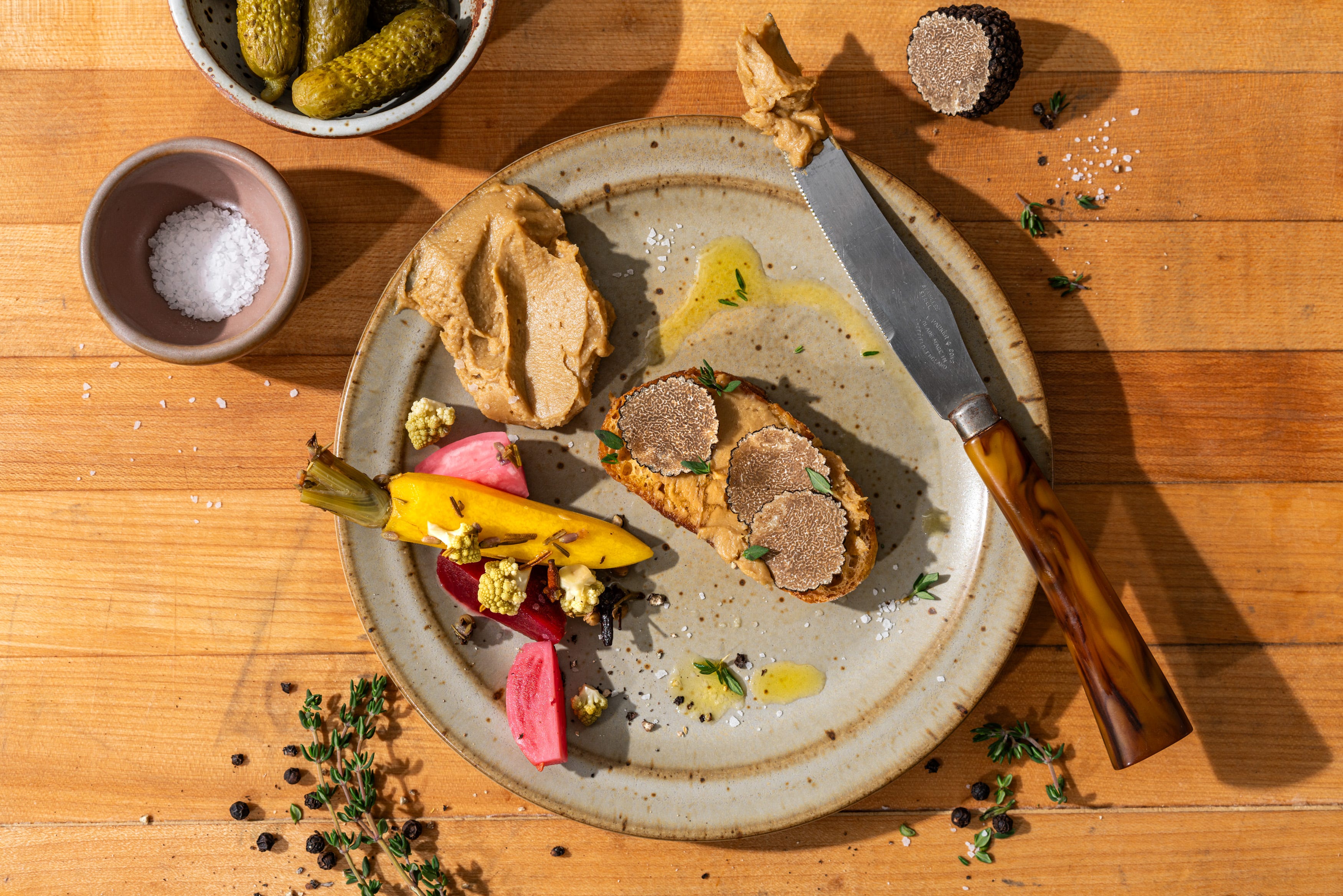
At Nova Terra Kitchen + Creamery, the couple produce small-batch plant-based cheeses made without dairy and designed to stand comfortably alongside wine country’s traditional pairings. The goal was not novelty or imitation for its own sake, but to create cheeses with enough flavor, texture and structure to belong naturally on a Napa Valley tasting table.
But the Trail grew from something simpler than strategy.
It grew from conversation.
“We just want Napa Valley to be known for more inclusive hospitality.” — Terri Penquite
A Category In Transition
The timing is complicated. The U.S. plant-based food market totaled about $8.1 billion in retail sales in 2024, according to the Good Food Institute and the Plant Based Foods Association, but the category has cooled after years of rapid growth. Dollar sales fell about 4% from 2023 and unit sales dropped 5%.
Yet the underlying audience has not disappeared.
Consumer research continues to show younger generations are more likely than older ones to incorporate plant-based foods into their diets. A GlobeScan study found 27% of Generation Z and millennials say they regularly eat plant-based foods, compared with 16% of baby boomers.
For Napa Valley wineries, that distinction matters. The industry has spent several years trying to figure out how to engage younger drinkers whose expectations around food, farming and transparency differ from those of earlier generations. Fewer visitors may identify as strictly vegan, but many still expect to see thoughtful plant-forward options when they sit down at a tasting table.
The Penquites’ project sits squarely in that gap.
A Local Presence
Many Napa Valley residents know the Penquites from the farmers market before they know them from the website.
Nova Terra cheeses are sold at three regional markets — St. Helena on Fridays, Sonoma on Saturdays and Marin on Sundays — where the couple offers samples and talks directly with customers about their cheeses and how they pair with wine.
Those conversations often lead to the same question.
Visitors taste the cheese, then ask where else they can find plant-based food or vegan-friendly wine while visiting Napa Valley.
“This was born out of the overwhelming amount of calls that we’d received over the last couple of years,” Terri Penquite said.
Answering those questions one market at a time eventually became the Trail.


Today’s Puzzler: Grammar Edition
Even seasoned writers slip on subject-verb agreement. One sentence below is grammatically sound. Choose wisely — answer at the bottom.
How They Got Here
The Penquites’ path to Napa Valley was anything but direct.
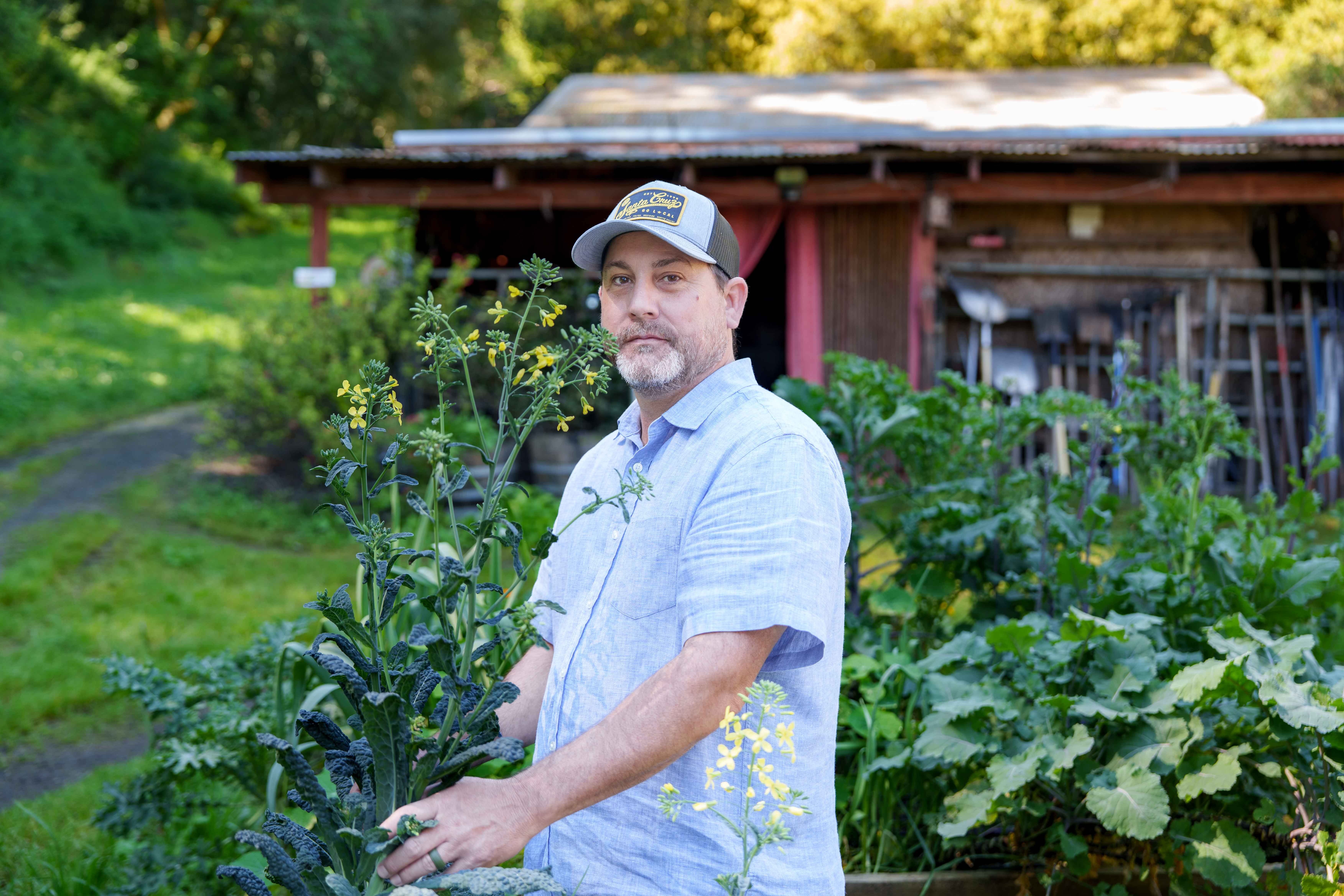
Terri Penquite grew up in the Bay Area and spent two decades working in wine sales, education and marketing. Brook Penquite, who grew up in South Carolina, built his career in hospitality management, including work with wineries and restaurants in California.
Their hospitality background also includes helping launch The Depot in Calistoga when it first opened. Brook Penquite is a chef as well as a longtime restaurant operator, and the couple says wineries and restaurants regularly consult them on plant-friendly dishes, pairings and menu offerings.
The two met through the industry nearly 20 years ago — Terri selling wine, Brook managing restaurants — and eventually built both a life and a business partnership.

Their careers included running a poke restaurant in Capitola and later moving to Durango, Colorado, where they opened Basecamp Plant Based Kitchen, Bar and Market.
By that time the couple had already shifted their own diets.
“We became plant-based about 17 years ago,” Terri said.
Some people come to plant-based food for animal welfare reasons. Others arrive through health concerns or environmental questions. Many simply want to incorporate more plant-forward meals into their routines.
“We just want to show people that plant-based food can pair beautifully with wine and offer a good option for people who want to try something new,” Terri said. “It’s better for the environment, better for your health, better for the animals. You just start where you are.”
From Restaurant To Creamery
The move into cheesemaking came out of necessity.
While running the Durango restaurant, the couple offered a plant-based cheese board using products shipped from Texas. Customers loved it. The economics did not. Shipping costs alone sometimes exceeded the value of the cheese itself.
So they began making their own.
What started as a restaurant solution eventually became the focus of the business. When the couple returned to California, they shifted their attention to small-batch production and farmers markets.
Today Nova Terra’s cheeses are sold at regional markets and through a handful of independent retailers including Jeffries General in Napa and Hudson Greens & Goods in Oxbow Public Market. The creamery also ships nationwide.
The Penquites say they prefer working with local markets and independent stores rather than scaling into a national mass-market brand.
Supporting local agriculture and small retailers, they say, strengthens regional food systems and keeps more of the value circulating in the community.
A Trail Through Napa Valley
The Napa Valley Plant-Based Trail grew out of those same direct conversations with visitors.
For plant-based diners, navigating wine country can require more effort than expected. Travelers often find themselves calling wineries, searching technical sheets or trying to decipher menus to determine whether a wine is vegan-friendly or whether a restaurant’s lone plant-based option was created with intention.
The Trail attempts to simplify that process.
The guide highlights wineries, restaurants and hospitality businesses throughout Napa Valley that offer vegan-friendly wines, plant-forward menus or related experiences.
The Penquites say the goal is not to create a separate Napa Valley but to make the existing one easier to navigate.
“We just want Napa Valley to be known for more inclusive hospitality,” Terri said.
Seen From The Vineyard
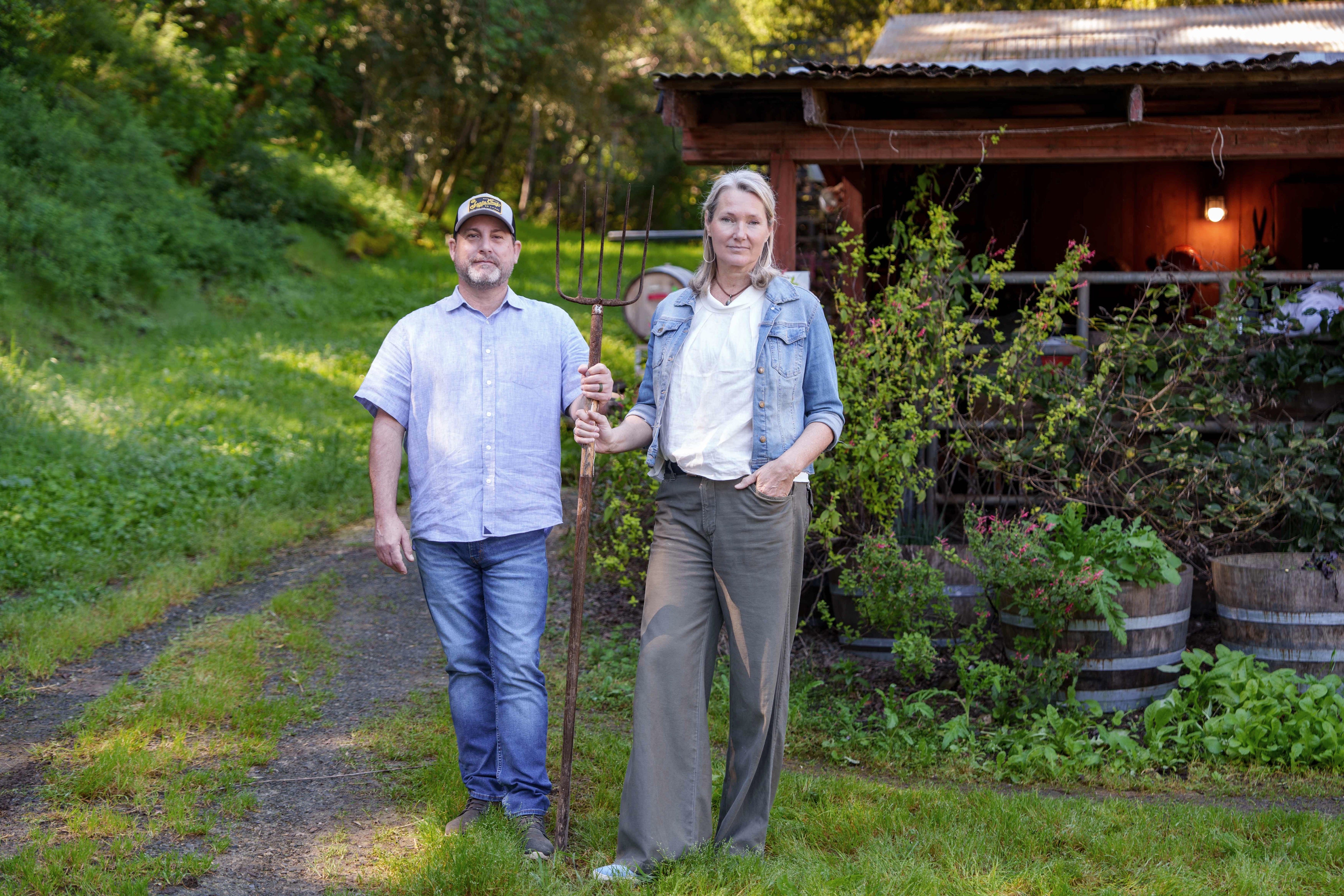
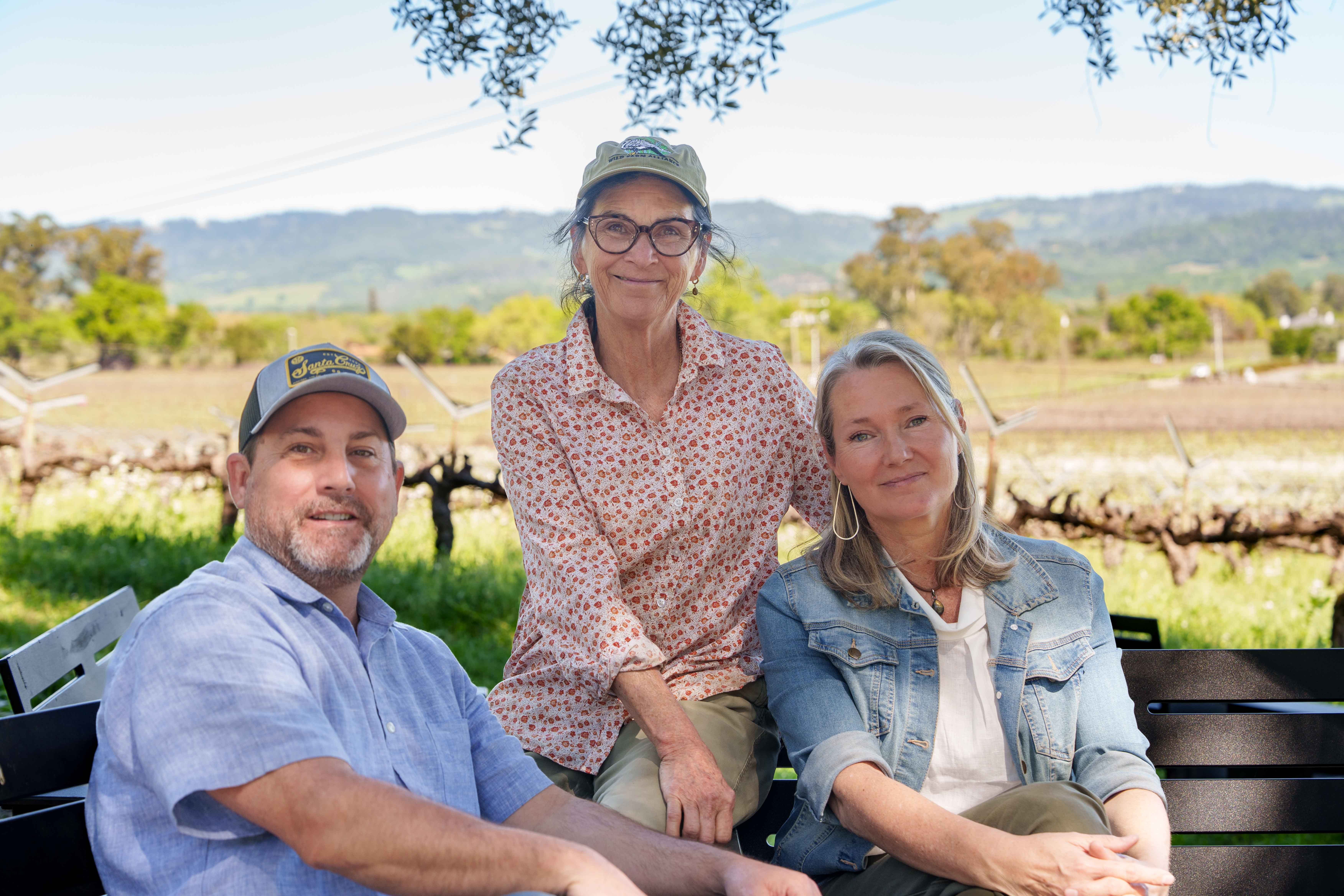
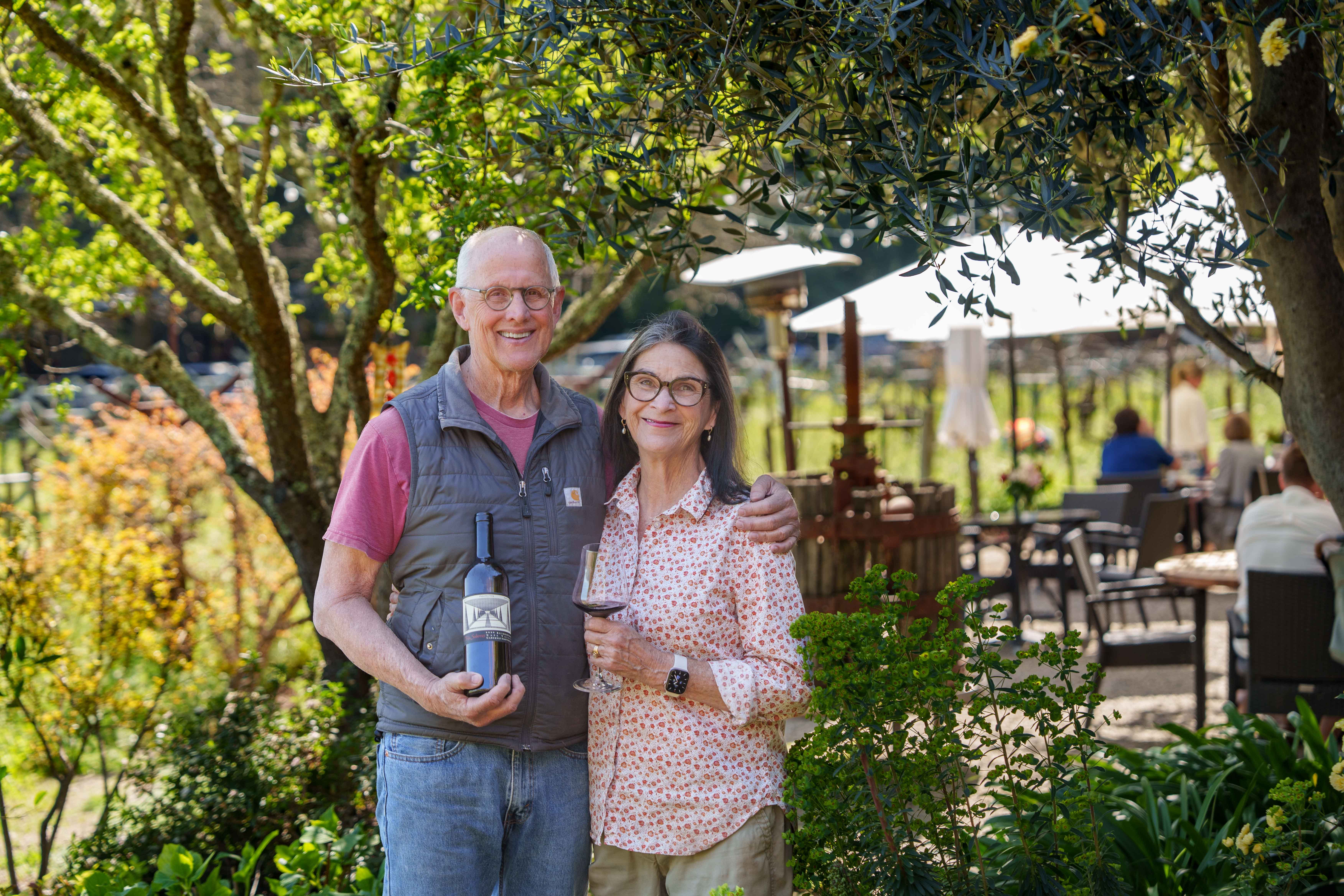
That idea was visible at Tres Sabores in St. Helena, where the Penquites met with winery owner and winemaker Julie Johnson, whose property is among those featured on the Trail.
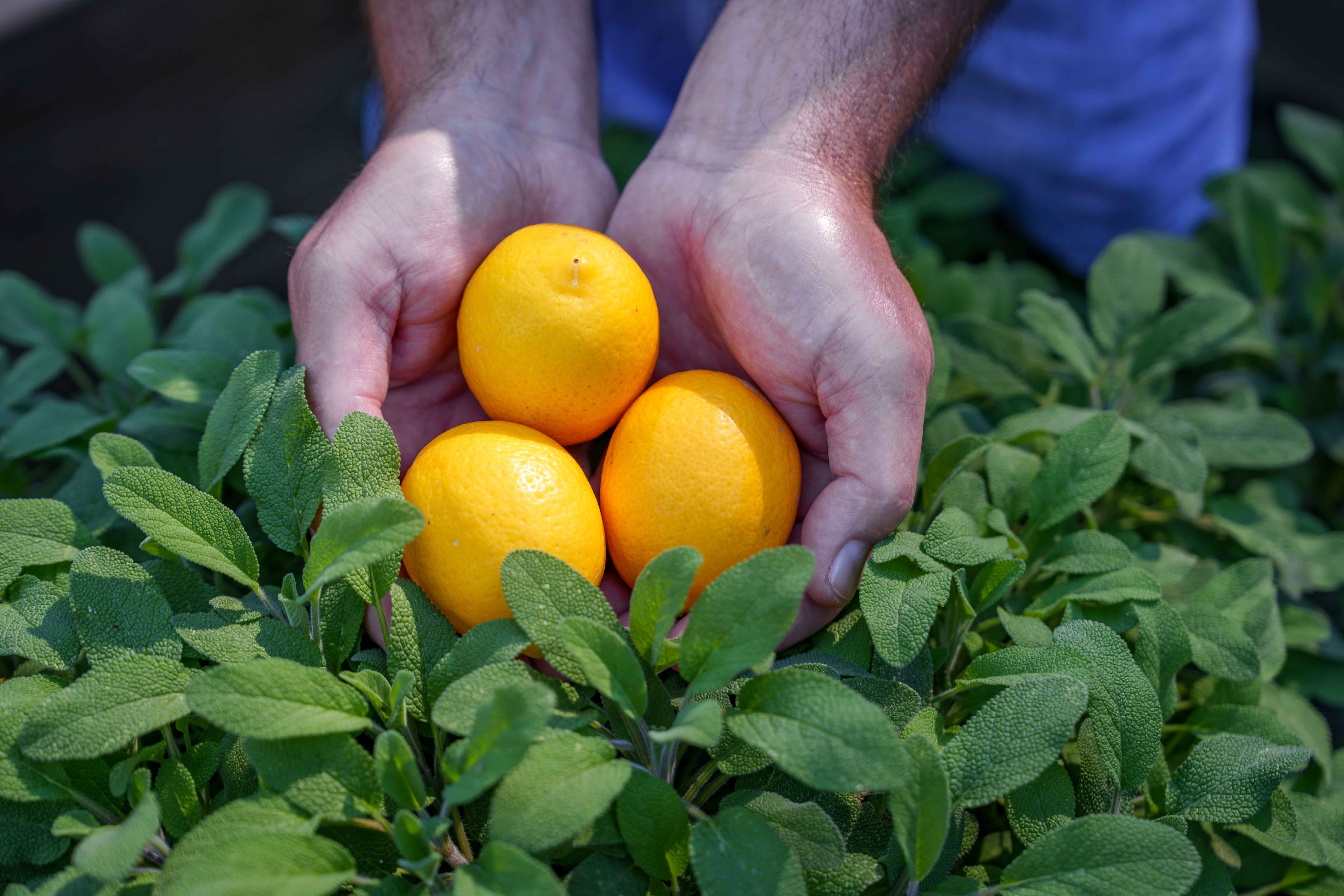
The conversation took place in the winery’s garden, surrounded by citrus trees, herbs and raised beds — a setting that echoed the agricultural themes underlying the project.
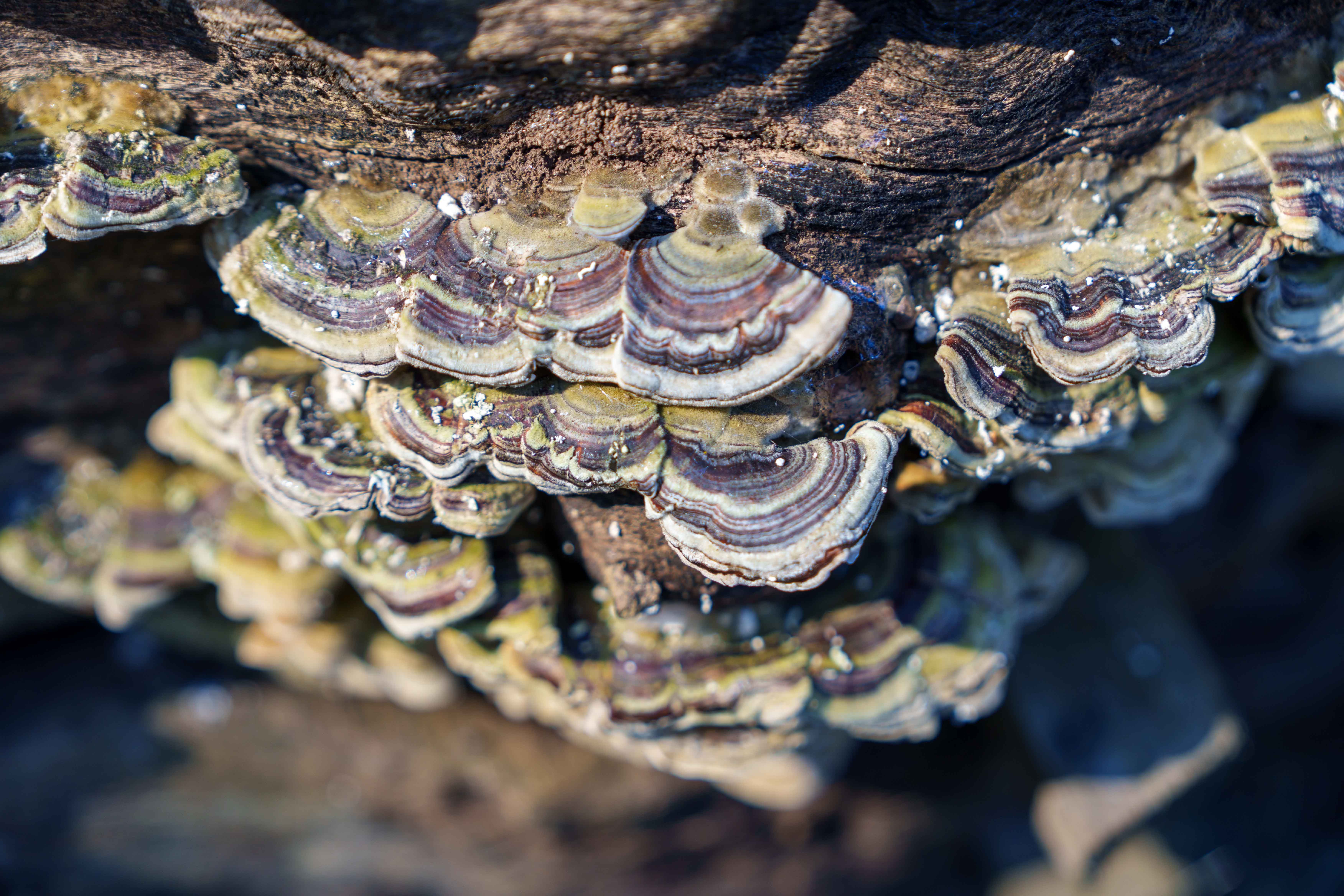
Johnson said what first caught her attention was the cheese itself, particularly a mushroom-based cheese whose texture and umami depth worked naturally alongside wine.
“I’m always looking for different things to give people a little bit of a different twist on wine and food pairing,” Johnson said. “People need to feel like they’re discovering something.”
Johnson also framed the project less as a rigid label than as a way of widening what visitors can discover.
“I think it’s not closing doors — it’s opening the room,” she said.
A Wider Table
The Penquites say many of the customers who return to their farmers market booth are not vegan. They simply enjoy the cheese.
That response helps explain why the Trail may matter even in a market that is no longer riding a clean growth curve. National enthusiasm for plant-based foods has cooled, but younger consumers still appear more likely to want options, and wineries across Napa Valley continue to search for ways to connect with the next generation of visitors.
Sometimes that begins with a traveler asking where to find plant-forward food while visiting Napa Valley. Sometimes it begins with a bite of cheese that surprises someone who did not expect to like it.
Either way, the Penquites say the goal is the same: to give people a place to begin.
—
Tim Carl is a photojournalist based in Napa.
Today’s Polls:
Poem of the Day
“Dulce et Decorum Est”
By Wilfred Owen
Bent double, like old beggars under sacks,
Knock-kneed, coughing like hags, we cursed through sludge,
Till on the haunting flares we turned our backs
And towards our distant rest began to trudge.
Men marched asleep. Many had lost their boots,
But limped on, blood-shod. All went lame; all blind;
Drunk with fatigue; deaf even to the hoots
Of tired, outstripped Five-Nines that dropped behind.

Gas! GAS! Quick, boys!—An ecstasy of fumbling
Fitting the clumsy helmets just in time;
But someone still was yelling out and stumbling
And flound’ring like a man in fire or lime.—
Dim through the misty panes and thick green light,
As under a green sea, I saw him drowning.

In all my dreams before my helpless sight
He plunges at me, guttering, choking, drowning.

If in some smothering dreams, you too could pace
Behind the wagon that we flung him in,
And watch the white eyes writhing in his face,
His hanging face, like a devil’s sick of sin;
If you could hear, at every jolt, the blood
Come gargling from the froth-corrupted lungs,
Obscene as cancer, bitter as the cud
Of vile, incurable sores on innocent tongues,—
My friend, you would not tell with such high zest
To children ardent for some desperate glory,
The old Lie: Dulce et decorum est
Pro patria mori.
About the author: Wilfred Owen (1893–1918) was an English poet and soldier whose work is widely regarded as among the most powerful literary responses to World War I. Born in Oswestry, Shropshire, he served as an officer in the British Army on the Western Front, where he experienced trench warfare firsthand. In 1917 he was treated for shell shock at Craiglockhart War Hospital in Scotland, where he met the poet Siegfried Sassoon, whose mentorship helped shape Owen’s voice and sharpen his critique of romanticized war poetry.
Most of Owen’s poems were published posthumously after his death in combat in France in November 1918, one week before the armistice that ended the war. “Dulce et Decorum Est,” drafted in 1917 and revised into early 1918, appeared in the 1920 volume “Poems.” The work combines traditional verse structure with vivid sensory imagery to depict a poison gas attack, exposing the physical horror of modern warfare and challenging the ancient patriotic maxim from the Roman poet Horace that it is “sweet and fitting to die for one’s country.”
Are you a poet, or do you have a favorite piece of verse you’d like to share? Napa Valley Features invites you to submit your poems for consideration in this series. Email your submissions to napavalleyfeatures@gmail.com with the subject line: “Poem of the Day Submission.” Selected poets will receive a one-year paid subscription to Napa Valley Features (a $60 value). We can’t wait to hear from you.
Today’s Caption Contest
Pick your favorite caption or add your own in the comments below.

Possible Captions:
“And this is why we stopped touching things.”
“Don’t worry — the system is self-correcting.”
“It only looks inevitable after it happens.”
“History prefers a simple explanation.”
“It seemed like a good idea at the time.”
Last week’s contest results
In “A Lost Car Key, a Tow Truck and the Long Shadow of War,” the winning caption was “Go on, make a ripple” with 61% of the votes.

Caption Options:
“History’s favorite starting point.”
“One small splash.”
“Just skipping stones.”
“After you.”
“Go on, make a ripple.”
Today’s Puzzler: Answer + Explanation:
Correct answer: Each essay has been revised.
The singular subject essay takes the singular verb has.
Why the others miss:
Each essay have been revised.
The singular subject takes has, not have.
None of the book are missing.
The singular noun book takes is, not are.
A number of poems is missing.
A number of takes a plural verb: are missing.
The number of poems are ten.
The number is singular, so the verb should be is.
Explore These Related Articles:


Browse All Napa Valley Features Stories
Browse All Sonoma County Features Stories
Browse All Lake County Features Stories
—
The views, opinions and data presented in this article are those of the author and do not necessarily reflect the official policy, position or perspective of Napa Valley Features or its editorial team. Any content provided by our authors is their own and is not intended to malign any group, organization, company or individual.
I would like to taste the cheese.